Satyanarayan Puja: Complete Guide
2026-02-16
14.3 min read
Satyanarayan Puja is one of the most widely performed Hindu rituals for prosperity, peace, and the removal of obstacles. This guide covers the deity's significance, the puja's origins, traditional benefits, and why families have relied on this ceremony for generations.
Who is Lord Satyanarayan?
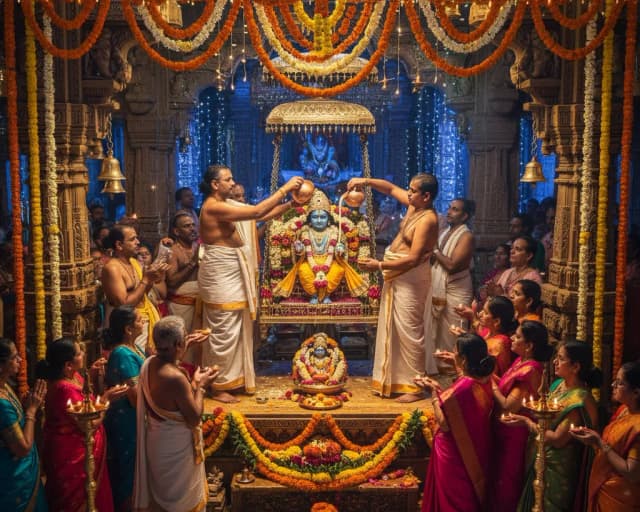
Lord Satyanarayan is a benevolent form of Lord Vishnu, the preserver in the Hindu trinity. The name "Satyanarayan" combines two Sanskrit words: Satya (truth) and Narayan (Vishnu), meaning "the true form of Vishnu" or "the embodiment of truth."
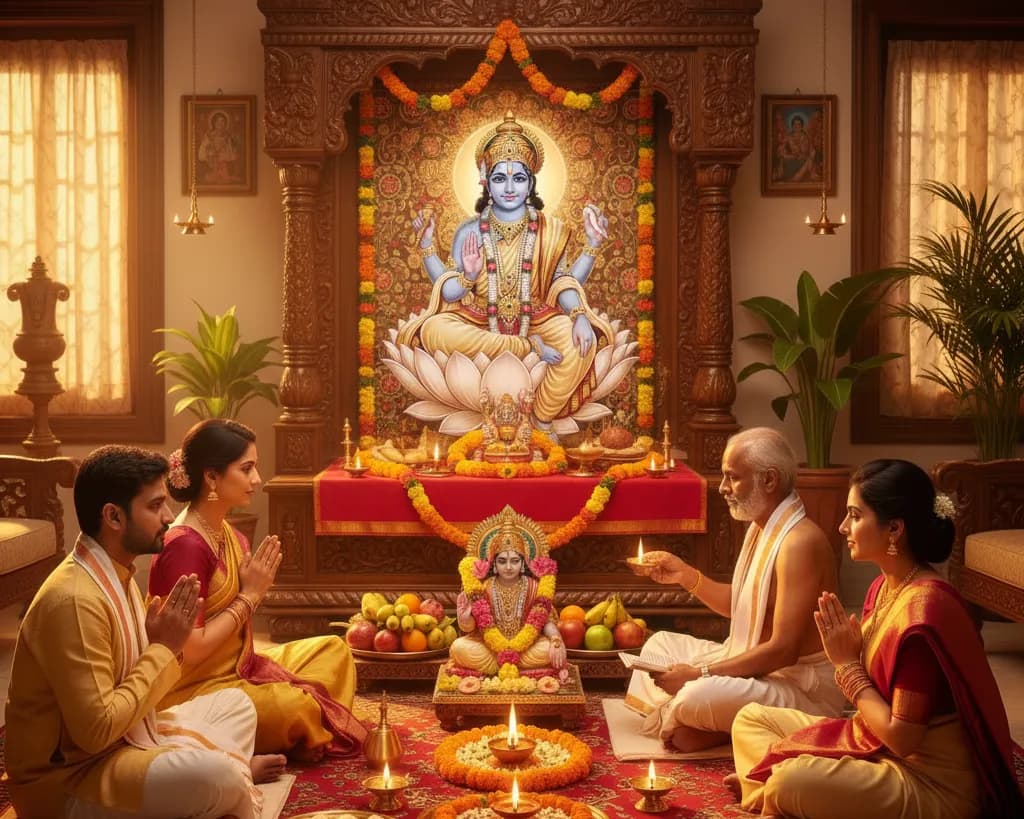
Unlike many Hindu deities with complex iconography and multiple arms, Satyanarayan is often depicted simply, seated in a peaceful posture, sometimes with two arms holding a conch and discus, sometimes with four arms showing blessing gestures. This simplicity reflects the puja's accessibility: it requires no elaborate temple setting and can be performed in any clean, dedicated space.
The deity represents truth, integrity, and cosmic order. Devotees approach Satyanarayan when they seek:
-
Clarity and honest resolution of problems
-
Restoration of natural flow in life circumstances
-
Protection from deceit and obstacles
-
Blessings for truthful endeavors
Origin and Scriptural Significance
The Satyanarayan Puja tradition originates from the Skanda Purana, specifically in the Reva Khand section. According to the scripture, the puja was revealed by Lord Vishnu himself to the sage Narada as a simple yet powerful ritual that ordinary householders could perform without requiring extensive Vedic knowledge.
The story goes that Narada, moved by the suffering of common people who lacked the means or knowledge to perform complex yajnas, asked Lord Vishnu for a ritual that would be:
-
Simple enough for householders
-
Not requiring expensive materials
-
Effective for removing obstacles
-
Accessible regardless of caste or economic status
Vishnu responded by teaching the Satyanarayan Puja, emphasizing that sincere intention and faithful performance mattered more than elaborate arrangements.
This democratic nature, that anyone with devotion can perform or sponsor this puja, is central to why it became so widespread across Hindu communities.
The Five Stories of Satyanarayan Katha
An essential part of the puja is the recitation of five stories (Satyanarayan Katha) that illustrate the puja's power and the consequences of neglecting vows. These stories, while mythological, serve as teaching tools about faith, gratitude, and keeping promises.
First Story: The Poor Brahmin
A destitute Brahmin encounters Lord Vishnu, disguised as an old man, who teaches him the Satyanarayan Puja. After performing it with devotion, the Brahmin's fortunes change, and he becomes prosperous. The moral: sincere devotion to this puja removes poverty and brings stability.
Second Story: The Woodcutter
A poor woodcutter observes a wealthy merchant performing the Satyanarayan Puja and decides to do the same despite having meager resources. His simple but faithful performance brings him prosperity and happiness. The moral: the puja's effectiveness doesn't depend on wealth or elaborate materials but on sincere intention.
Third Story: The Merchant's Neglect
A wealthy merchant who had previously performed the puja and received its benefits becomes arrogant and stops performing it. He faces severe losses and obstacles. Only after resuming the puja with humility does his fortune return. The moral: gratitude and continued devotion are essential; taking blessings for granted leads to reversal.
Fourth Story: The King's Disbelief
A king mocks the puja and disrespects those who perform it. He suffers immediate misfortunes, including the disappearance of his daughter and wealth. After performing the puja with genuine remorse, his family and prosperity are restored. The moral: skepticism and disrespect toward sacred practices bring consequences.
Fifth Story: The Merchant's Family
This story continues in the third, focusing on the merchant's family, who also neglected the puja after receiving benefits. They too face difficulties and learn that completing vows and maintaining devotion are necessary for sustained blessings.
These stories are not meant to be taken literally but serve as reminders about:
-
The importance of keeping spiritual commitments
-
Consequences of arrogance after receiving blessings
-
The value of humility and gratitude
-
Faith's role in navigating life's uncertainties
Traditional Benefits of Satyanarayan Puja
According to tradition and scriptural references, regular performance of the Satyanarayan Puja is believed to bring:
Material Prosperity
-
Business growth and stability
-
Financial security and savings accumulation
-
Resolution of debts
-
Success in professional endeavors
-
Protection of wealth from unexpected losses
Family Harmony
-
Peace in household relationships
-
Resolution of family conflicts
-
Smooth progress in marriage arrangements
-
Protection of family members
-
Unity and understanding among relatives
Obstacle Removal
-
Clearing of persistent blocks
-
Success in endeavors that were previously stalled
-
Overcoming "near-success" patterns where outcomes kept slipping
-
Protection from negative influences
-
Smoother path forward in important matters
Mental and Spiritual Well-being
-
Clarity of thought and decision-making
-
Reduction of anxiety and worry
-
Renewed optimism and motivation
-
Strengthened faith and resilience
-
Inner peace despite external circumstances
Protection and Blessing
-
Safe travels and relocation
-
Protection from accidents and misfortunes
-
Favorable conditions for new beginnings
-
Divine grace in uncertain situations
-
Support during vulnerable transitions
Health and Longevity
-
Overall well-being of family members
-
Recovery from prolonged health issues
-
Vitality and strength
-
Protection from sudden illnesses
It's important to understand these benefits within the traditional Hindu worldview: they're seen not as guaranteed material outcomes but as favorable conditions created through divine grace when combined with sincere effort, ethical conduct, and continued devotion.
Why This Puja is Considered Complete
Satyanarayan Puja is often called a "sampurna puja" (complete puja) because:
Self-Contained Structure:
Unlike many Vedic rituals that require supplementary ceremonies, Satyanarayan Puja includes all necessary elements within its own framework: invocation, offering, story recitation, and conclusion.
Accessible Requirements:
The puja can be performed with relatively simple materials. While traditional items are used, the emphasis is on devotion rather than expensive arrangements.
No Specific Prerequisite Rituals:
Many pujas require preliminary ceremonies or specific initiations. Satyanarayan Puja can be performed directly by anyone with a sincere intention.
Suitable for All Occasions:
The puja is appropriate for almost any positive purpose, new ventures, recovery from difficulties, routine thanksgiving, fulfilling vows, or simply maintaining a spiritual connection.
Inclusive Nature:
The Skanda Purana emphasizes that this puja is open to all castes and both genders, making it one of the more democratically accessible Hindu rituals.
When to Perform Satyanarayan Puja
Regular Occasions
-
Monthly on Purnima (full moon day)
-
On Ekadashi (11th day of the lunar fortnight)
-
Thursday evenings (traditionally associated with Vishnu)
-
During the Kartik month (October-November)
-
On personal or family birthdays
Life Events
-
Before starting a new business or venture
-
After purchasing a new home (Griha Pravesh)
-
Before or after marriage ceremonies
-
On childbirth and naming ceremonies
-
When children begin education
-
Before long journeys or relocations
-
After recovery from illness
-
On achieving significant milestones
Vow Fulfillment
-
When completing a promise made during difficult times
-
As a thanksgiving after prayers are answered
-
To honor commitments made to a deity or family
During Difficulties
-
Business or career stagnation
-
Financial instability
-
Family conflicts or delays
-
Repeated obstacles in important matters
-
Periods of general uncertainty or heaviness
Cultural Context for NRNs and Diaspora
For Nepalis and Indians living abroad, Satyanarayan Puja holds particular significance:
Connection to Roots: The puja serves as a link to cultural and spiritual heritage, especially when traditional practices are difficult to maintain in foreign environments.
Family Continuity: Many NRNs perform this puja to honor family traditions and pass them to the next generation, even when children are growing up in different cultural contexts.
Comfort in Uncertainty: Immigrant life involves constant adaptation and uncertainty. This puja provides spiritual structure and the comfort of familiar ritual during transitions.
Vow Completion: Many people make promises to perform the Satyanarayan Puja if they successfully relocate abroad or achieve specific goals. Online services make fulfilling these vows possible without returning home.
Maintaining Identity: Regular observance helps preserve religious identity and provides rhythm to spiritual life despite distance from homeland temples and communities.
The Role of Sankalp (Sacred Intention)
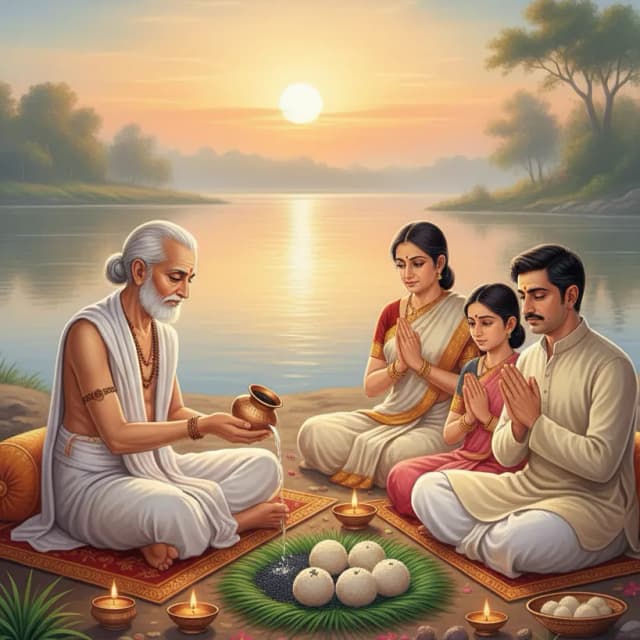
The sankalp is the formal statement of intention spoken at the puja's beginning, which includes:
-
Performer's full name
-
Gotra (family lineage) or father's name
-
Current location (city, country)
-
Date according to the Hindu calendar
-
Specific purpose of the puja
This personalization is what transforms a generic ritual into an individualized spiritual act. The priest speaks your identity and intention aloud, formally presenting your case before the deity.
In online puja services, ensuring accurate sankalp is critical; it's what makes the ritual yours rather than a generic ceremony you're merely observing.
Modern Relevance
While rooted in ancient scripture, Satyanarayan Puja addresses timeless human concerns:
Economic Stability: Financial uncertainty is universal. The puja's focus on prosperity and obstacle removal resonates with anyone facing business challenges or career stagnation.
Life Transitions: Modern life involves frequent changes, new jobs, relocations, and business pivots. The puja provides spiritual support during these vulnerable periods.
Family Well-being: Family harmony and successful life milestone achievement remain core concerns across generations and cultures.
Mental Clarity: In an age of overwhelming choices and constant change, the ritual offers a structured moment for clarity, intention-setting, and renewed focus.
Ethical Grounding: The emphasis on "Satya" (truth) serves as a reminder that prosperity built on ethical foundations is more sustainable than shortcuts.
Complementary Practices
While Satyanarayan Puja is powerful on its own, tradition recommends supporting it with:
Personal Devotion
-
Daily prayers or meditation
-
Regular visits to temples (when possible)
-
Reading spiritual texts
-
Maintaining a home altar
Ethical Conduct
-
Honesty in dealings
-
Charitable giving
-
Respect for others
-
Environmental consciousness
-
Fair treatment of employees and colleagues
Positive Actions
-
Sincere effort toward goals
-
Helping others when able
-
Maintaining family relationships
-
Fulfilling responsibilities
-
Continuous learning and growth
The puja is not meant to replace personal effort but to create favorable spiritual conditions while you continue doing your part.
Understanding Results and Expectations
Traditional texts and practitioners offer these perspectives on outcomes:
Timing Varies: Benefits may manifest quickly for some, gradually for others. Patience and continued faith are emphasized.
Effort Required: The puja removes obstacles, but you must still walk the cleared path. It creates favorable conditions, not guaranteed outcomes, independent of action.
Subtle Changes: Sometimes effects are dramatic; other times they're subtle, opportunities appearing, decisions becoming clearer, burdens feeling lighter.
Internal Transformation: Often, the first change is internal, renewed motivation, clarity, peace of mind, which then influences external circumstances.
Gratitude Matters: Recognizing and appreciating improvements, however small, is considered important for sustaining positive momentum.
Addressing Common Doubts
"Can a puja really change circumstances?"
→ Hindu philosophy sees the material world as interconnected with subtle energies and divine will. Properly performed rituals are believed to influence this subtle realm, creating favorable conditions. Whether you view this as divine intervention, psychological benefit, or cosmic law, the practice has endured because people experience value from it.
"Why would a deity need rituals?"
→ The puja isn't seen as bribing a deity but as:
-
Focusing your own intention
-
Aligning yourself with cosmic order
-
Expressing devotion and humility
-
Creating spiritual merit
-
Participating in sacred tradition
"What if I'm not very religious?"
→ The puja can be approached as a cultural practice, family tradition, or an experiment with open curiosity. Sincere respect for the process is what matters, not perfect theological understanding.
"Is it superstition?"
→ Millions of educated, successful people across generations have found value in this tradition. Whether the mechanism is divine grace, psychological benefit, or something else, the experiential results for many practitioners are real.
Satyanarayan Puja represents one of Hinduism's most accessible and beloved rituals, a practice that bridges elaborate Vedic tradition with householder simplicity, ancient scripture with modern needs, and individual devotion with cosmic blessing.
For NRNs and global Nepalis, online services now make it possible to maintain this tradition authentically, with proper procedures performed in Nepal by qualified priests, documented clearly, and delivered remotely.
Whether you approach it as spiritual practice, cultural observance, or vow fulfillment, the puja offers structure, intention, and connection during life's uncertain moments.
Social Share: