Panchagavya: Complete Guide to Sacred Purification
2026-02-16
14.2 min read
Panchagavya is one of the oldest and most revered purification substances in Hindu tradition. This guide covers its scriptural origins, the significance of each component, traditional uses, and why it remains essential in modern spiritual practice, especially for diaspora Hindus maintaining a connection to ritual tradition.
What is Panchagavya?
Panchagavya (पञ्चगव्य) is a Sanskrit term combining "pancha" (five) and "gavya" (derived from cow). It refers to five sacred substances obtained from the cow, which is considered the most sacred animal in Hindu tradition.
These five substances are:
-
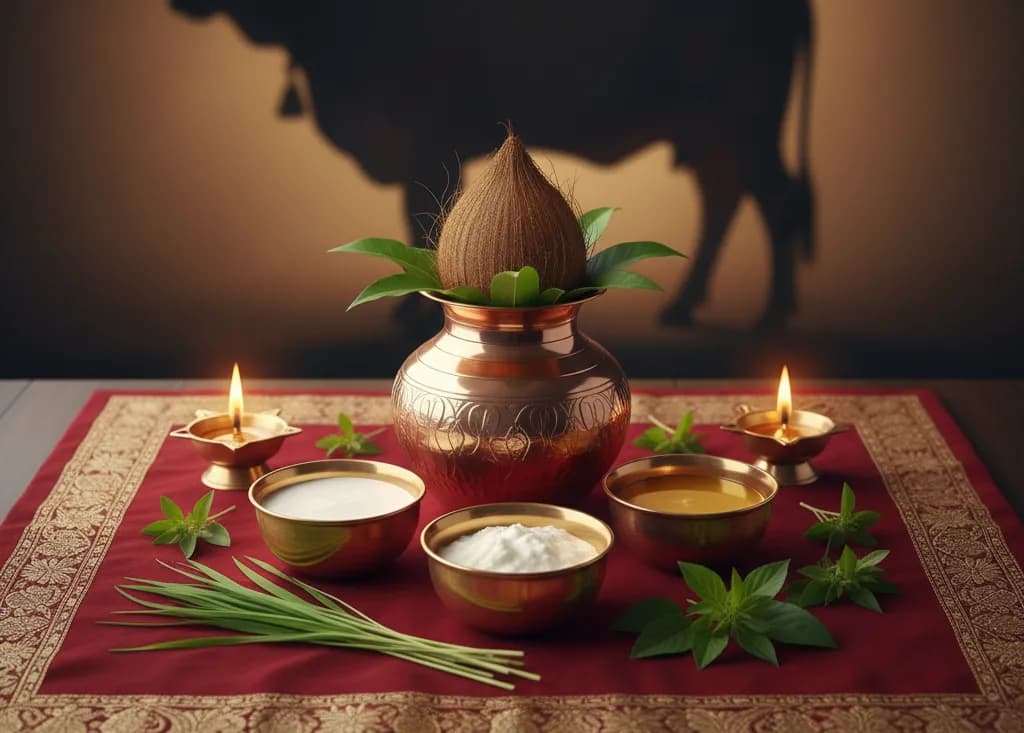
Go-Dugdha (गो-दुग्ध) - Cow's milk
-
Go-Dadhi (गो-दधि) - Cow's curd/yogurt
-
Go-Ghrita (गो-घृत) - Cow's ghee (clarified butter)
-
Go-Mutra (गो-मूत्र) - Cow's urine
-
Go-Maya (गो-मय) - Cow's dung
While some of these substances may seem unusual to modern sensibilities, particularly to those raised outside traditional Hindu contexts, each carries specific ritual significance and has been used for thousands of years in Vedic ceremonies.
Scriptural Foundation
Panchagavya's sacred status is deeply rooted in Vedic texts and later Hindu scriptures:
Vedic References
The Rigveda and Atharvaveda contain numerous hymns praising the cow and its products as purifying agents. The cow is called "Aghnya" (not to be killed) and "Aditi" (mother of gods), establishing their elevated status.
Puranic Mentions
The Garuda Purana, Skanda Purana, and Agni Purana provide detailed instructions for Panchagavya preparation and use in various rituals.
The Charaka Samhita and Sushruta Samhita (ancient Ayurvedic texts) document the medicinal properties of Panchagavya components, establishing both spiritual and therapeutic value.
Smrti Literature
Texts like Manu Smrti and Yajnavalkya Smrti prescribe Panchagavya for purification after certain transgressions or before major religious ceremonies, codifying its ritual use in Hindu law.
Why the Cow in Hindu Tradition?
Understanding Panchagavya requires understanding the cow's sacred status:
Cosmic Symbolism:
The cow is seen as a microcosm of divine creation, containing all gods within her body according to tradition. Her various parts are associated with different deities.
Non-Violence Principle:
The cow gives generously (milk, labour) without requiring violence to obtain her gifts. This embodies ahimsa (non-violence), a core Hindu value.
Sustenance Provider:
Historically, cows provided essential resources, milk for nutrition, dung for fuel and fertiliser, urine for medicinal purposes, and bullocks for agriculture. This practical dependence elevated to spiritual reverence.
Mother Archetype:
The cow is called "Gau Mata" (mother cow) because she nourishes like a mother without discrimination, making her products sacred extensions of maternal care.
Kamadhenu Connection:
In Hindu mythology, Kamadhenu is the divine wish-fulfilling cow. All earthly cows are seen as her descendants, carrying divine essence.
The Five Components: Significance and Properties
1. Go-Dugdha (Cow's Milk)
Spiritual Significance: Represents purity, nourishment, and maternal blessing. Milk symbolises the flow of divine grace and the sustaining power of the universe.
Ritual Use: Used in abhishekam (ritual bathing of deities), offered to gods, consumed as prasad, and included in most major pujas.
Traditional Properties: Considered sattvic (pure), cooling, and nourishing to both body and spirit.
Symbolism: White colour represents purity and clarity. Flowing nature represents continuity and abundance.
2. Go-Dadhi (Cow's Curd)
Spiritual Significance: Represents transformation, balance, and the creative power that changes one substance into another.
Ritual Use: Offered to specific deities (especially Lord Shiva), used in homas (fire rituals), applied in tilak, and consumed during certain vratas (fasts).
Traditional Properties: Cooling, digestive, balancing the three doshas (Ayurvedic body types).
Symbolism: The transformation of milk into curd represents spiritual evolution and the power of time to create change.
3. Go-Ghrita (Cow's Ghee)
Spiritual Significance: Represents illumination, clarity, and the purifying power of fire. Ghee is considered the most refined and sacred cow product.
Ritual Use: Essential in all homa/havan rituals, used in lamps for worship, offered in fire ceremonies, applied to sacred objects, and consumed as blessed food.
Traditional Properties: Enhances digestive fire (agni), improves memory and intelligence, promotes longevity, carries medicinal properties.
Symbolism: Golden colour represents divine light. Its ability to sustain lamps symbolises the eternal flame of consciousness.
4. Go-Mutra (Cow's Urine)
Spiritual Significance: Represents purification, cleansing of sins, and removal of impurities. Despite modern discomfort with this substance, it has an ancient sacred status.
Ritual Use: Sprinkled in purification ceremonies, mixed with other Panchagavya components for consecration, and used in certain expiatory rites.
Traditional Properties: Ayurvedic texts describe antimicrobial, detoxifying, and therapeutic properties when properly collected and processed.
Symbolism: The ability to cleanse and dissolve impurities represents spiritual purification and ego dissolution.
Modern Context: Many contemporary practitioners use symbolically or in very diluted forms. The ritual emphasis is on its purifying symbolism rather than direct consumption.
5. Go-Maya (Cow's Dung)
Spiritual Significance: Represents grounding, protection, and the earth element. Dung returns nutrients to soil, symbolising renewal and the sacred cycle.
Ritual Use: Used to purify spaces (floors, walls in traditional homes), create sacred enclosures for rituals, and mixed in Panchagavya for consecration purposes.
Traditional Properties: Natural antiseptic and insect repellent. When dried, used as fuel. Contains beneficial microorganisms.
Symbolism: The transformation of grass into dung represents the sacred power of transformation and the importance of humility (even "waste" is sacred).
Historical Context: In traditional India, cow dung-plastered floors were standard for creating clean, sacred spaces. This practice continues in temples and rural homes.
How Panchagavya is Prepared
Traditional Method
Selection of Source: Panchagavya should ideally come from a healthy, indigenous breed cow (such as Gir, Sahiwal, or Red Sindhi), preferably from a goshaala (cow shelter) where cows are treated with care and fed natural vegetation.
Collection Timing: Fresh collection in the morning is traditional. Certain lunar days are preferred for ritual-grade Panchagavya.
Proportions: Classical texts provide different ratios depending on use. A common preparation:
-
Cow dung: 1 part
-
Cow urine: 2 parts
-
Milk: 3 parts
-
Curd: 2 parts
-
Ghee: 1 part
Additional Ingredients: Some preparations add:
-
Jaggery or sugar
-
Banana
-
Tender coconut water
-
Sacred kusha grass juice
-
Holy basil (tulsi)
Preparation Process:
-
Mix the dung with the ghee first
-
Add urine gradually
-
Incorporate curd and milk
-
Add any supplementary ingredients
-
Ferment for a specific duration (varies by text)
-
Filter before ritual use
Storage: Prepared Panchagavya should be used fresh or stored in clean copper/brass vessels in cool, dark places.
Modern Adaptations
For diaspora Hindus or urban practitioners, obtaining authentic Panchagavya is challenging. Some modern approaches:
Pre-Made Products: Certain Ayurvedic suppliers and temple organisations sell prepared Panchagavya or Panchagavya ark (distilled extract).
Symbolic Substitution: In some modern adaptations, the intent and mantra are emphasised while using symbolic representations.
Remote Sourcing: Rudrakx and other services websites like source authentic Panchagavya from Nepal or India goshaalas for ritual performance.
Traditional Uses of Panchagavya
Purification Ceremonies (Shuddhi)
Personal Purification: Applied before major life events, after transgressions of religious law, or when restarting spiritual discipline after long gaps.
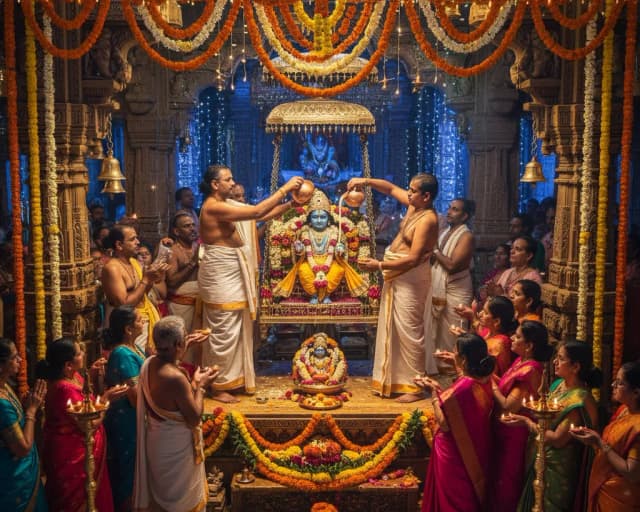
Space Consecration: Used to purify homes, temples, ritual spaces, and property before occupation or during major transitions.
Object Sanctification: Applied to idols, ritual implements, sacred texts, and objects being prepared for worship.
Pre-Puja Preparation
Foundation Cleansing: Many elaborate pujas require Panchagavya consecration first to create a purified foundation for subsequent worship.
Deity Installation (Prana Pratishtha): Essential in the consecration of new idols or images before they're worshipped.
Yajna/Homa Preparation: Used to purify the fire altar, the surrounding space, and the participants before starting fire rituals.
Life Cycle Ceremonies (Samskaras)
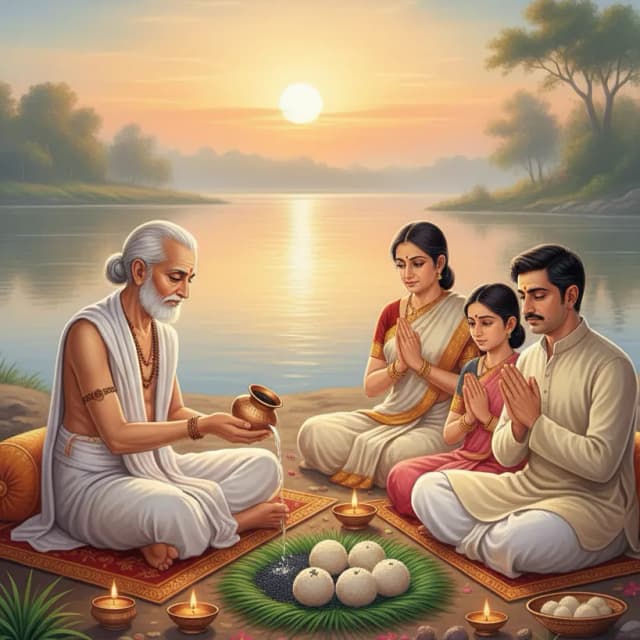
Garbhadhana (Conception rite): Space purification Jatakarma (Birth ceremony): Purification of mother and child Namakarana (Naming): Home consecration Upanayana (Sacred thread): Purification of space and participants Vivaha (Marriage): Mandap and venue purification Antyesti (Funeral): Post-cremation purification of home
Expiatory Rites (Prayaschitta)
Used in ceremonies to atone for:
-
Violation of religious vows
-
Accidental transgressions
-
Breaking fasts improperly
-
Neglect of ancestral duties
-
Other religious lapses
Therapeutic and Agricultural Uses
While this guide focuses on ritual applications, traditional texts also describe:
-
Ayurvedic medicinal preparations
-
Agricultural soil enhancement
-
Natural pest management
-
Promoting plant growth
These uses reflect the holistic view where spiritual, therapeutic, and practical benefits interweave.
Panchagavya in Major Hindu Traditions
Vaishnavism
Strongly emphasised due to Krishna's role as cowherd (Gopala). Lord Krishna's childhood in Vrindavan among cows elevates cow products to a supreme sacred status.
Shaivism
Lord Shiva is often depicted with the sacred bull Nandi. Curd and milk are primary offerings in Shiva worship, making Panchagavya particularly important.
Shaktism
The Divine Mother is often associated with Kamadhenu. Panchagavya plays a role in goddess worship and tantric purification rites.
Smartism
All five major deities (Vishnu, Shiva, Shakti, Ganesha, Surya) can be worshipped with Panchagavya, making it universally important across the tradition.
Regional Variations in Nepal and India
Nepali Tradition
Mountain Practices: In hilly regions, yak products sometimes supplement or substitute cow products at high altitudes.
Goshaala Connection: Many Nepali temples maintain goshaalas, ensuring authentic Panchagavya availability for major festivals and ceremonies.
Karmakanda Style: Nepali Brahmin priests maintain specific procedures for Panchagavya preparation and application that differ subtly from Indian traditions.
Indian Regional Differences
North India: Emphasis on indigenous cow breeds (Gir, Sahiwal). Strong cultural integration in rural areas.
South India: Elaborate temple rituals using Panchagavya, especially in abhishekams. More detailed scriptural references in practice.
Western India: Historical Gir breed region. Strong agricultural connection between cow protection and farming success.
Eastern India: Integration with Shakta traditions. Use in Durga Puja and other regional festivals.
Scientific Perspective on Traditional Claims
Modern research has investigated some traditional claims about Panchagavya:
Antimicrobial Properties: Studies suggest cow urine and certain combinations have antibacterial effects against specific organisms.
Agricultural Benefits: Research indicates Panchagavya can function as a bio-fertiliser and growth promoter for certain crops.
Medicinal Properties: Some Ayurvedic formulations using Panchagavya components show therapeutic potential in controlled studies.
Important Caveat: While some traditional claims have scientific support, Panchagavya's primary value in Hindu practice is spiritual and symbolic, not medical. Religious use should not be conflated with medical treatment.
Panchagavya for NRNs and Diaspora Hindus
Maintaining Connection
For Nepalis and Indians living abroad, Panchagavya represents:
Ritual Authenticity: Access to proper purification methods as practised in the homeland, not adapted versions.
Cultural Continuity: Maintaining traditional practices across generational and geographical distance.
Spiritual Legitimacy: Ensuring major pujas are preceded by proper shuddhi as prescribed in scriptures.
Practical Challenges Abroad
Sourcing Difficulties: Most Western countries don't have goshaalas producing ritual-grade Panchagavya.
Cultural Sensitivities: Explaining or practising with substances like cow urine in non-Hindu contexts can be uncomfortable.
Quality Concerns: Commercial dairy products don't carry the same sanctity as goshaala-sourced items.
Solutions:
-
Online puja services performing rituals in Nepal/India
-
Imported Panchagavya products from Ayurvedic suppliers
-
Remote consecration with local participation
-
Focus on intent and mantra when authentic materials are unavailable
Ethical Considerations: Cow Welfare
Modern practitioners increasingly emphasise that using Panchagavya ethically requires:
Humane Treatment: Products should come from cows treated with genuine care, not industrial dairy operations where animals suffer.
Goshaala Support: Choosing sources that maintain traditional cow shelters supports both animal welfare and ritual authenticity.
Ahimsa Consistency: The same tradition that reveres cows prohibits their slaughter, making ethical sourcing spiritually important.
Conscious Consumption: Being mindful of how cow products are obtained aligns ritual practice with the underlying value of reverence for life.
When to Use Panchagavya Consecration
Essential Occasions
Before Major Pujas, such as Satyanarayan, Ganesh, Navagraha, or any significant ceremony requires a purified foundation.
New Property: Consecrating homes, land, or offices before occupation.
After Prolonged Spiritual Neglect: Restarting regular worship after years of not practising.
Major Life Transitions: New business, marriage, childbirth, or other significant beginnings.
Post-Negativity: After disputes, illness, financial setbacks, or periods requiring cleansing.
Optional but Beneficial
Regular Purification: Some traditions recommend annual Panchagavya consecration for home and family.
Before Important Decisions: Cleansing before making major life choices.
Festival Preparation: Purifying the home before Dashain, Tihar, or other major celebrations.
Modern Relevance
Despite being an ancient practice, Panchagavya addresses timeless spiritual needs:
Psychological Reset: The ritual provides psychological closure and a fresh start feeling during transitions.
Intentional Living: Creating sacred space requires consciousness and intentionality, valuable in distracted modern life.
Environmental Awareness: The practice connects people to animal welfare and sustainable living principles.
Cultural Identity: Maintaining traditional purification methods preserves identity across generations and geography.
Spiritual Discipline: Regular use builds structured spiritual practice in otherwise secular lives.
Complementary Spiritual Practices
Panchagavya consecration works best alongside:
Regular Prayer: Daily personal devotion maintains a purified state.
Ethical Living: Conduct aligned with dharma sustains spiritual cleanliness.
Temple Visits: Participating in community worship when possible.
Study of Texts: Understanding scriptural foundations deepens practice's meaning.
Service (Seva): Helping others, especially cow protection, complements the practice.
Understanding Results
Immediate Effects: Sense of cleanliness, clarity, and readiness for spiritual work.
Short-term: Smoother progression in planned activities, reduced obstacles.
Long-term: Sustained spiritual development when combined with regular practice.
Subjective Experience: Effects are primarily experiential and spiritual, not provable material guarantees.
Faith Component: Benefits deepen with sincere faith in the tradition and respect for the process.
Panchagavya represents one of Hinduism's most ancient purification technologies, a practice connecting modern practitioners to thousands of years of unbroken spiritual tradition. For NRNs and diaspora Hindus, maintaining access to authentic Panchagavya consecration through online services preserves ritual accuracy while adapting to contemporary global reality.
Whether approached as profound spiritual science, cultural tradition, or preparatory rite, Panchagavya consecration addresses the universal human need for purification, fresh beginnings, and sacred space in an often-chaotic world.
Social Share: