Complete Guide to Mother Goddess Worship and Divine Protection
2026-02-16
20.2 min read
Matrika Puja (मातृका पूजा), the worship of the Matrikas or Mother Goddesses, represents one of the oldest and most profound expressions of reverence for the Divine Mother in Hindu tradition. This comprehensive guide covers the scriptural basis of Matrika worship, the identity and significance of each of the seven mothers, their role as protectors of children and families, the transformative power of mother goddess veneration, and why this ancient practice remains essential for household spiritual welfare, particularly for mothers, pregnant women, and families seeking divine protection and blessing.
What is Matrika Puja?
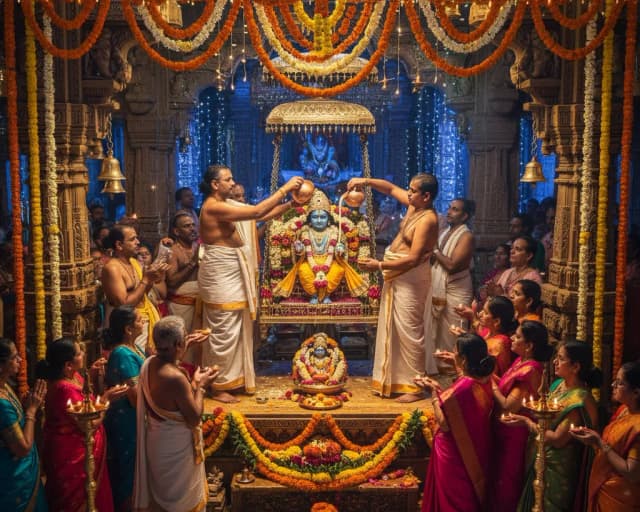
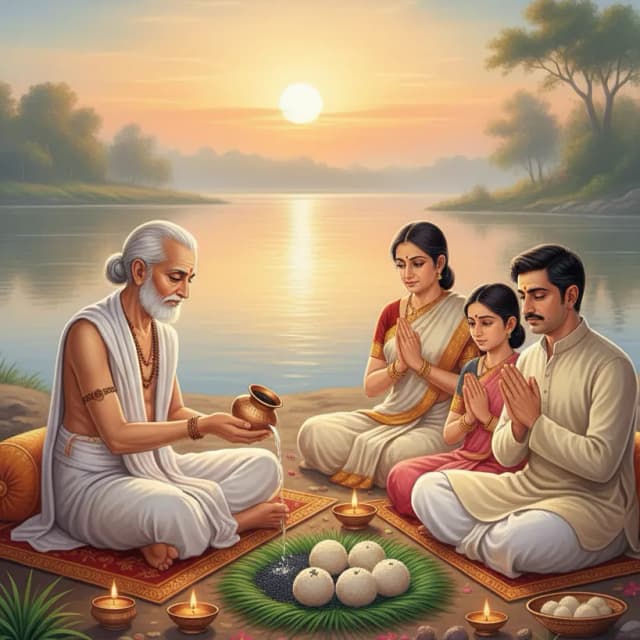
Matrika Puja (मातृका पूजा) refers to the ritual worship and propitiation of the Matrikas (मातृका), a revered group of Mother Goddesses in Hindu tradition. The term "Matrika" (मातृका) comes from the Sanskrit root "Matri" (मातृ), meaning "mother," signifying not merely biological motherhood but the cosmic feminine principle that nurtures, protects, and sustains all existence.
More specifically, Matrika Puja encompasses:
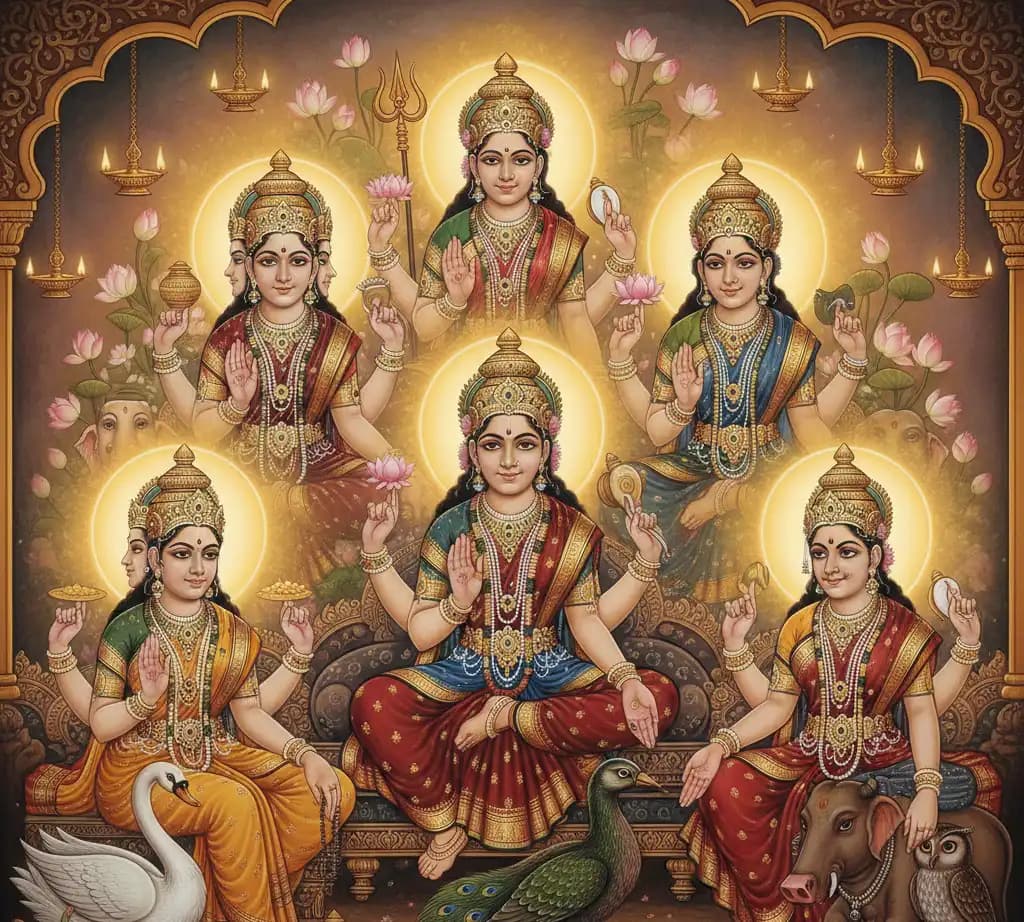
The Seven Sacred Mothers (Saptamatrika): The most common form of Matrika worship involves the Seven Mother Goddesses, Brahmani, Maheshwari, Kaumari, Vaishnavi, Varahi, Indrani, and Chamunda, each embodying distinct divine attributes and protective powers.
Extended Forms: Worship sometimes includes eight (Ashta-Matrika, adding one additional goddess), nine (including Mahalakshmi or Chandi), or sixteen (Shodasha-Matrika) forms, depending on regional tradition and specific purpose.
Dual Purpose: The worship simultaneously honors the Divine Mother principle, seeks blessings for fertility and healthy childbirth, and invokes the protection of children and families from illness, evil influences, and misfortune.
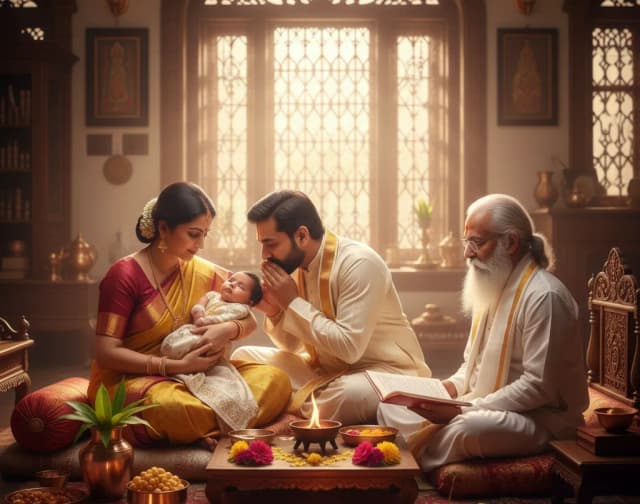
Integration with Major Festivals: Matrika Puja is often performed as part of larger goddess-centered festivals (especially Navratri) or as standalone family rituals, particularly on the sixth day after a child's birth (Shashthi Puja) or the sixth day of the lunar months.
The ritual achieves multiple profound objectives:
Invocation of Protective Power: The Matrikas are propitiated specifically to protect children and families from diseases, evil influences, and negative forces that can strike unexpectedly.
Feminine Power Recognition: The worship acknowledges and honors the Divine Feminine (Shakti) as the fundamental creative and protective force underlying all existence.
Fertility and Motherhood Blessing: Particularly for women seeking conception, pregnant mothers, and families with young children, Matrika Puja invokes blessings for safe pregnancy, healthy childbirth, and child welfare.
Household Protection: The Matrikas are believed to oversee the spiritual security of homes and families, and worship creates a protected, spiritually charged household environment.
Transformation of Negative Qualities: Each Matrika represents both protective power and the destruction of specific negative tendencies (fear, delusion, pride, jealousy, sin, etc.), making the worship transformative on multiple levels.
Scriptural Foundation and Divine Authority
Matrika Puja's sacred status emerges from the Vedic texts, Puranas, and Tantric literature, establishing the Matrikas as genuinely divine beings worthy of reverence.
Vedic Origins: The Shakti Principle
While the concept of a feminine divine power (Shakti) appears throughout the Vedas, the specific veneration of grouped Matrikas developed over time into a sophisticated spiritual science.
The Rigveda's Devi Sukta (hymn to the Goddess) declares:
"I move with the Rudras, the Vasus, the Adityas, and the All-Gods. I hold both Mitra and Varuna, both Indra and Agni within myself. I support the soma and the Tvastar, the Pushan and Bhaga. I control treasures and wealth for the devoted one. I am the Queen, the gatherer of treasures, wise, first of those worthy of worship."
This ancient Vedic hymn establishes that the Divine Feminine is not subordinate but supreme, encompassing all divine powers within herself.
Puranic Elaboration: The Matrikas in Epic Tales
The Devi Mahatmya (also called Durga Saptashati, the "seven hundred verses of the goddess"), found in the Markandeya Purana, provides the most comprehensive account of the Matrikas' significance.
In the Devi Mahatmya, when the supreme goddess Durga battles the demonic forces Shumbha and Nishumbha, she summons the Matrikas from her own divine body.
This passage establishes a profound teaching: the Matrikas are not separate goddesses but the concentrated power and essence of each of the major gods, emerging as independent divine beings. They represent the Shakti (feminine creative power) that sustains all male deities.
Role in the Battle Against Evil
In the Devi Mahatmya's narrative, the Matrikas play a crucial role in defeating the demonic forces:
This passage conveys multiple spiritual truths: The Matrikas possess the complete power of each major deity; their weapons (symbolic of their protective qualities) are absolute and irreversible in their effect; they represent the ultimate destruction of evil and negativity.
Specific Textual References to Matrika Worship
The Yajnavalkya Smrti, composed during the Gupta period (3rd-5th century CE), explicitly prescribes Matrika worship, particularly Shashthi (the sixth mother) Puja on the sixth day after childbirth to ensure the protection of the newborn.
The Vishnudharmottara Purana describes the Matrikas as representing specific human vices that must be overcome:
- Brahmani represents ignorance
- Maheshwari represents arrogance
- Kaumari represents youthful desire
- Vaishnavi represents delusion
- Varahi represents pride and aggression
- Indrani represents jealousy and envy
- Chamunda represents the tendency toward sin
Through worship and propitiation, the devotee transcends these limitations and elevates consciousness.
Tantric Perspective: The Matrikas as Yoginis
In Tantric philosophy, the Matrikas occupy a supreme position as Yoginis, divine feminine powers that embody the most subtle forms of cosmic energy. The Tantric tradition extends the Matrika concept, describing each Matrika as associated with eight additional Yoginis, creating a group of eighty-one Yoginis (nine times nine), representing the complete spectrum of cosmic feminine power.
The 64 Yogini temples of India (most famous being the 81-Yogini temple at Bhedaghat, Madhya Pradesh) testify to this ancient understanding of the Matrikas as supreme spiritual entities whose worship leads to liberation.
The Seven Sacred Mothers: Identity and Significance
The Saptamatrika (Seven Mother Goddesses) each embody distinct divine qualities and protective powers. Understanding their individual characteristics allows for deeper engagement with Matrika Puja.
1. BRAHMANI (ब्रह्मणी) - The Creator Mother
Associated Deity: Brahma (the Creator)
Cosmic Function: Creativity, knowledge, intellectual wisdom, creation of the universe
Appearance:
Complexion: Golden or white (symbolizing purity and illumination)
Attire: Dressed in white, adorned with brahminical thread
Vahana (Mount): Swan (representing wisdom, discrimination, purity)
Weapons/Symbols: Four-faced like Brahma, carrying Vedas, prayer beads
Jewelry: Elaborate ornaments symbolizing divine grace
Spiritual Significance: Brahmani represents the power of knowledge and the creative impulse that brings all things into manifestation. She is the mother who grants wisdom and intellectual clarity.
Protection Function: Protects from ignorance, illiteracy, and intellectual confusion; blesses with intelligence, memory, and educational success
Mantra:
ॐ ब्रह्मण्यै नमः
Om Brahmanyai Namah
Translation: "Salutations to the Mother of Knowledge and Creation"
Worship Benefits:
- Enhanced intellect and memory
- Academic success and educational advancement
- Clarity in thinking and decision-making
- Freedom from ignorance and confusion
2. MAHESHWARI (महेश्वरी) - The Mother of Power and Destruction
Associated Deity: Maheshvara/Shiva (the Destroyer/Transformer)
Cosmic Function: Cosmic destruction that enables renewal, power, transformation, and dissolution of the ego
Appearance:
Complexion: White, sometimes bluish-gray
Attire: Adorned in fine silks, sometimes with animal skins
Vahana: Bull/Nandi (representing stability through spiritual practice)
Weapons/Symbols: Trident (Trishula), drum (Damaru), carrying all symbols of Shiva
Jewelry: Serpent ornaments, crescent moon on forehead
Spiritual Significance: Maheshwari embodies the transcendent power that dissolves ego, pride, and false attachments. She is the destroyer of illusion and false perception.
Protection Function: Protects from arrogance, stubbornness, and spiritual ignorance; transforms suffering into wisdom; grants detachment and spiritual understanding
Mantra:
ॐ महेश्वर्यै नमः
Om Maheswaryai Namah
Translation: "Salutations to the Mother of Divine Power and Transformation"
Worship Benefits:
Freedom from pride and ego
Spiritual development and insight
Power to overcome obstacles through transformation
Balance between action and acceptance
3. KAUMARI (कौमारी) - The Mother of Youth and Divine Wisdom
Associated Deity: Kumara/Skanda (the Divine Warrior and God of War)
Cosmic Function: Youthful energy, warrior strength, spiritual initiative, victory over obstacles
Appearance:
Complexion: Golden-red (radiating youthful energy)
Attire: Dressed as a warrior with armor
Vahana: Peacock (representing beauty, vigilance, pride transformed to wisdom)
Weapons/Symbols: Spear (Shakti), sword, shield, carrying all weapons of Skanda
Jewelry: Warrior ornaments, crown of victory
Spiritual Significance: Kaumari represents the dynamism and initiative needed for spiritual progress. She is the mother who grants courage to pursue the spiritual path and overcome inner enemies.
Protection Function: Protects from cowardice, indecision, and lethargy; grants courage, initiative, and spiritual warrior qualities; especially significant for youth development and protection
Mantra:
ॐ कौमार्यै नमः
Om Kaumaryai Namah
Translation: "Salutations to the Mother of Divine Warrior Spirit"
Worship Benefits:
- Courage and spiritual initiative
- Victory over inner enemies and obstacles
- Youthful vitality and enthusiasm
- Protective strength in facing challenges
4. VAISHNAVI (वैष्णवी) - The Mother of Preservation and Love
Associated Deity: Vishnu (the Preserver)
Cosmic Function: Preservation, sustenance, unconditional love, nourishment, divine grace
Appearance:
Complexion: Golden or dark (like Krishna), radiant with loving energy
Attire: Dressed in silk, adorned with jewels representing wealth and abundance
Vahana: Eagle/Garuda (representing divine vision and swift protection)
Weapons/Symbols: Conch shell (Shankh), discuss (Chakra), mace (Gada), carrying all symbols of Vishnu
Jewelry: Crown, divine ornaments
Spiritual Significance: Vaishnavi embodies the preserving power of love that sustains the cosmos. She is the all-protecting mother who nourishes all beings with her grace. Her worship emphasizes bhakti (devotion) as the path to liberation.
Protection Function: Protects from fear, abandonment, and despair; grants divine grace, prosperity, and protection; especially significant for mothers and primary caregivers
Mantra:
ॐ वैष्णव्यै नमः
Om Vaisnnavyai Namah
Translation: "Salutations to the Mother of Divine Preservation and Grace"
Worship Benefits:
- Divine grace and protection
- Unconditional love and compassion
- Prosperity and abundance
- Security and sense of being cared for
5. VARAHI (वाराही) - The Mother of Strength and Aggressive Power
Associated Deity: Varaha (Vishnu's boar incarnation)
Cosmic Function: Aggressive strength, aggressive intent toward goals, earthly power, protection from enemies
Appearance:
Complexion: Dark or reddish (representing fierce energy)
Attire: Warrior garments, sometimes draped in animal skins
Vahana: Buffalo or Boar (representing earthly power and strength)
Weapons/Symbols: All weapons of Varaha, sword, mace, discus
Jewelry: Warrior ornaments, crown
Spiritual Significance: Varahi represents the fierce, aggressive aspect of divine power necessary to protect against enemies and overcome obstacles in the material world. She is the warrior mother who fights for her children's welfare.
Protection Function: Protects from enemies, physical danger, and material obstacles; grants strength, courage, and aggressive power when needed; especially significant for protection in material realm
Mantra:
ॐ वाराह्यै नमः
Om Varahyai Namah
Translation: "Salutations to the Mother of Fierce Protective Strength"
Worship Benefits:
- Physical strength and vitality
- Victory over enemies and obstacles
- Aggressive drive toward righteous goals
- Protection in the material realm
6. INDRANI (इंद्राणी) - The Mother of Sovereignty and Royalty
Associated Deity: Indra (King of the gods, lord of the heavens)
Cosmic Function: Sovereignty, queenly power, command, authority, divine regulation
Appearance:
Complexion: Golden (radiating divine authority)
Attire: Royal garments, crown symbolizing sovereignty
Vahana: Elephant (representing royalty, power, majesty)
Weapons/Symbols: Thunderbolt (Vajra), carrying all symbols of Indra
Jewelry: Royal ornaments, crown, multiple layers of precious jewels
Spiritual Significance: Indrani embodies the sovereign power that commands respect and maintains order. She is the queen mother who rules with authority and ensures cosmic law is maintained.
Protection Function: Protects from disrespect, humiliation, and disorder; grants authority, recognition, and rightful position; especially significant for those in positions of responsibility
Mantra:
ॐ इंद्राण्यै नमः
Om Indrayai Namah
Translation: "Salutations to the Mother of Divine Sovereignty"
Worship Benefits:
- Authority and rightful recognition
- Regal bearing and dignity
- Command over one's life and circumstances
- Protection from disrespect and dishonor
7. CHAMUNDA (चामुंडा) - The Mother of Destruction and Spiritual Awakening
Associated Deity: The fierce form of Durga/Parvati
Cosmic Function: Destruction of evil, destruction of delusion, spiritual awakening, removal of obstacles through destruction
Appearance:
Complexion: Black or dark (symbolizing transcendence beyond form)
Attire: Minimal clothing, adorned with serpents
Vahana: Corpse or Skull (representing transcendence of material attachment)
Weapons/Symbols: Sword, trident, holding a severed head or cup of blood, wearing garland of severed heads (Mundamala)
Jewelry: Skull ornaments, serpent jewelry
Spiritual Significance: Chamunda represents the most fierce form of divine power, dedicated exclusively to destruction of evil and spiritual transformation. She is the destroyer of demons (both external and internal), clearing the way for spiritual realization.
Protection Function: Protects by destroying negative forces, evil influences, demons; destroys ego and false attachments; grants spiritual awakening and liberation; especially significant for protection from dark forces and spiritual advancement
Mantra:
ॐ चामुंडायै विच्छे
Om Chamundayai Vichche
Translation: "Salutations to the Destroyer of Evil, the Awakener"
Worship Benefits:
- Destruction of evil and negative influences
- Spiritual awakening and insight
- Freedom from illusion and delusion
- Transcendence of ego and material attachment
- The Theological Framework: How the Matrikas Emerge
According to the Devi Mahatmya, the Matrikas represent a sophisticated theological principle: each Matrika is the concentrated Shakti (feminine power, energy, force) of one of the major deities. In other words, they are not external beings but the divine power within and emanating from each god, personified and made independent.
This teaching has profound implications:
All Power is Feminine: The ultimate source and sustainer of all power, even the male deities' power, is feminine (Shakti). The gods are powerful only insofar as they are supported by their Shaktis.
Shakti is Supreme: The female principle is not derivative or secondary but primary and supreme. The male aspect (static potential) requires the female principle (dynamic manifestation) to be effective.
Balance of Masculine and Feminine: True cosmic function requires both principles. Creation requires Brahma and Brahmani; destruction/transformation requires Shiva and Maheshwari; preservation requires Vishnu and Vaishnavi.
Multiplicity and Unity: While appearing as seven distinct goddesses, the Matrikas are ultimately unified manifestations of the one supreme Shakti—the Divine Mother in her various aspects.
The Nine-Fold and Sixteen-Fold Forms
Beyond the seven standard Matrikas, various traditions recognize extended forms:
Ashta-Matrika (Eight Mothers):
Adds one of the following (depending on tradition):
Mahalakshmi (representing prosperity and abundance)
Chandi (representing fierce destruction of evil)
Another regional goddess
Nava-Matrika (Nine Mothers):
Combines the seven standard Matrikas with two additional goddesses, often Mahalakshmi and Mahasaraswati, creating a trinity of transcendent divine principles.
Shodasha-Matrika (Sixteen Mothers):
Expands to include:
The seven standard Matrikas
Nine additional Yogini forms representing subtle cosmic principles
Chandi or Mahalakshmi as the presiding supreme mother
The multiplicity reflects the Hindu understanding that the Divine Mother has infinite forms and manifestations. Any of these forms can be worshipped depending on the devotee's needs and the specific tradition being followed.
Matrika Puja in Regional Traditions
While the core principles of Matrika worship remain constant, regional variations reflect different cultural emphases and historical developments.
Nepali Tradition: The Ashta-Matrikas as City Protectors
In Nepal, the Ashta-Matrikas (eight mothers) hold special significance as protectors of cities and towns in the Kathmandu Valley:
Patan Durbar Square Tradition:
According to historical accounts, King Srinivasa Malla of Patan (ruled 1661-1684) saw the Matrikas dance in the palace courtyard and subsequently established the tradition of worshipping the Ashta-Matrikas during Ashwin Navaratri (autumn festival). This custom has continued uninterrupted for over 300 years.
Function as Directional Guardians:
In Newar (native) tradition of Kathmandu Valley, the eight Matrikas are associated with:
Directional protection (aligned with eight directions)
Town protection (each overseeing specific neighborhoods)
Cosmic principle representation
Integration with Buddhist Tradition:
Interestingly, Newar Buddhists also worship the Matrikas, associating them with 24 human qualities that can be mastered through spiritual practice. This demonstrates how Matrika worship transcends religious boundaries and addresses universal spiritual needs.
Major Matrika Worship Sites in Nepal:
Dakshinkali Temple, Pharping: Features the seven Matrika forms around the central Chamunda idol
Various Matrika Pitha (shrines): Distributed throughout Kathmandu Valley for protective circumambulation (pitha puja)
Indian Regional Variations
- North India (Uttar Pradesh, Madhya Pradesh):
- Strong tradition of Matrika worship integrated with Durga Puja and Navaratri
- Emphasis on protection of children and pregnant women
- Temple dedications in regions like Khajuraho and other archaeological sites
- Integration with folk goddess traditions
- South India (Tamil Nadu, Karnataka, Telangana):
- Grama Devatas (village goddesses) often incorporate Matrika principles
- Integration with regional goddess traditions
- Emphasis on community protection and welfare
- Temple sculptures depicting Matrikas as cosmic powers
Shashthi Puja: The Sixth-Day Blessing
A particular manifestation of Matrika Puja, Shashthi (Chathi, Chhathi) Puja holds special significance in Hindu tradition as the most important ritual protection rite for newborns.
The Significance of the Sixth Day
In Hindu cosmology and practice, the sixth day holds unique spiritual significance:
- Critical Vulnerability Period: Tradition recognizes the first six days of an infant's life as particularly vulnerable to disease, spiritual interference, and evil influences.
- Destiny Inscription: The belief holds that on the sixth day, the Goddess writes the child's destiny, determining their life path and fortune.
- Threshold Crossing: The sixth day represents the infant's crossing from purely physical to psychic-spiritual existence, requiring protective blessing.
- Shashthi Goddess: The Sixth Mother Shashthi (षष्ठी), the sixth day personified as a goddess, is also known by regional names:
Chhathi Maiya (Hindi/Bhojpuri regions)
- Chhath (related to the famous Chhath festival)
- Skandamata (in Shakta traditions, associated with Skanda's mother)
- Ritual Purpose: Shashthi Puja seeks to:
- Propitiate the goddess who determines the infant's health and destiny
- Invoke her protection against childhood diseases
- Invite her blessings for the child's healthy development
- Ensure the mother's recovery and wellness after childbirth
- Procedure Elements (discussed in detail in Procedure section):
- Ritual bathing of the infant (in some traditions)
- Application of protective amulets (Najar/Nazaria)
- Offerings of special foods and flowers
- Prayers for health and protection
- Sometimes, lighting a lamp with the expectation that the goddess will write the child's destiny
Matrika Puja for Families and Households
While Shashthi Puja is specifically tied to childbirth, broader Matrika worship serves family protection and household welfare.
Primary Benefits for Families:
- Child Protection: All seven Matrikas collectively protect children from illness, accidents, and misfortune until they reach adolescence (traditionally until age 16).
- Maternal Wellness: For pregnant mothers, Matrika Puja ensures a safe pregnancy, a healthy childbirth, and freedom from complications.
- Fertility Blessing: For women desiring conception, Matrika worship invokes blessings and removes impediments to conception.
- Household Protection: Regular Matrika Puja establishes a spiritually protected home environment, preventing negative influences.
- Transformation of Vices: Each mother's worship helps family members transcend the negative tendencies she represents (ignorance, arrogance, fear, delusion, etc.).
Matrika Puja for Diaspora Hindus and NRNs
For Nepalis and Indians living abroad, Matrika Puja addresses uniquely important needs in the diaspora context.
Maintaining Family Spiritual Protection
In traditional societies, children naturally grew up with cultural immunity to spiritual and psychological dangers through family and community practice. For diaspora families:
Conscious Protection: Remote or home-based Matrika Puja consciously creates spiritual protection that traditional society provided naturally
Pregnancy and Childbirth Blessing: Pregnant mothers can participate in Matrika worship regardless of geographic location
Cultural Continuity: Teaching children about the Matrikas maintains a connection to the divine feminine principle and cultural heritage
Household Spirituality: Regular Matrika Puja establishes home as a sacred, protected space
Practical Challenges Abroad
- Diaspora families face obstacles:
- Limited Community: Scattered populations make organized community worship difficult
- Timing Constraints: Professional schedules complicate arranging multi-hour pujas
- Material Sourcing: Finding authentic ritual materials and qualified priests is challenging
- Explanation Burden: Explaining the practice to non-Hindu family members can create awkwardness
- Language: Sanskrit mantras and traditional narratives may be unfamiliar
Modern Understanding of Matrika Protection
While Matrika worship is rooted in ancient tradition and faith, certain aspects align with observable principles.
Psychosomatic Protection Through Ritual:
Ritual participation creates psychological and emotional security, which has measurable health benefits, particularly for mothers and infants. The confidence and peace generated by proper ritual reduce stress hormones (cortisol) and support immune function.
Community Bonding and Mental Health:
The gathering of family and community for Matrika Puja creates social support networks crucial for postpartum recovery and family stability.
Placebo Effect and Expectation:
While sometimes dismissed as "merely" a placebo effect, the power of expectation to influence physical and psychological health is well-documented in medical research.
Protection of Vulnerable Periods:
Traditional identification of the first six days as vulnerable to infection aligns with medical knowledge about postpartum infection risk (puerperal fever, tetanus) and neonatal susceptibility to disease.
Important Caveat: These observations are complementary to the spiritual understanding of Matrika Puja. The practice's primary power and purpose are spiritual protection and divine blessing, which operate through dimensions transcending materialist explanation.
Social Share: