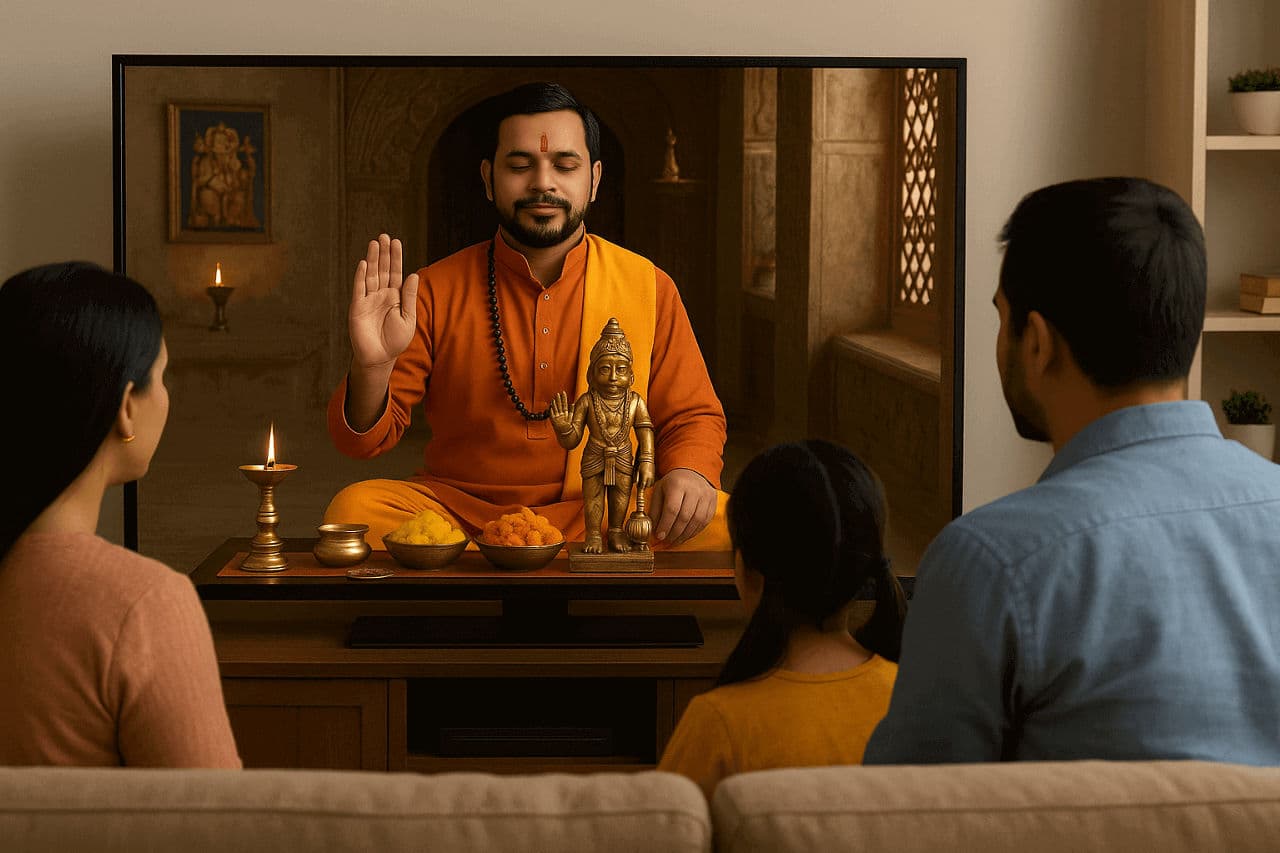
Hanuman Pujaonline
Hanuman Puja
For strength, courage, protection and fearlessness
NPR 4,200
0.0 (0 reviews)
Select Slot
Select Package
Total Price:NPR 0
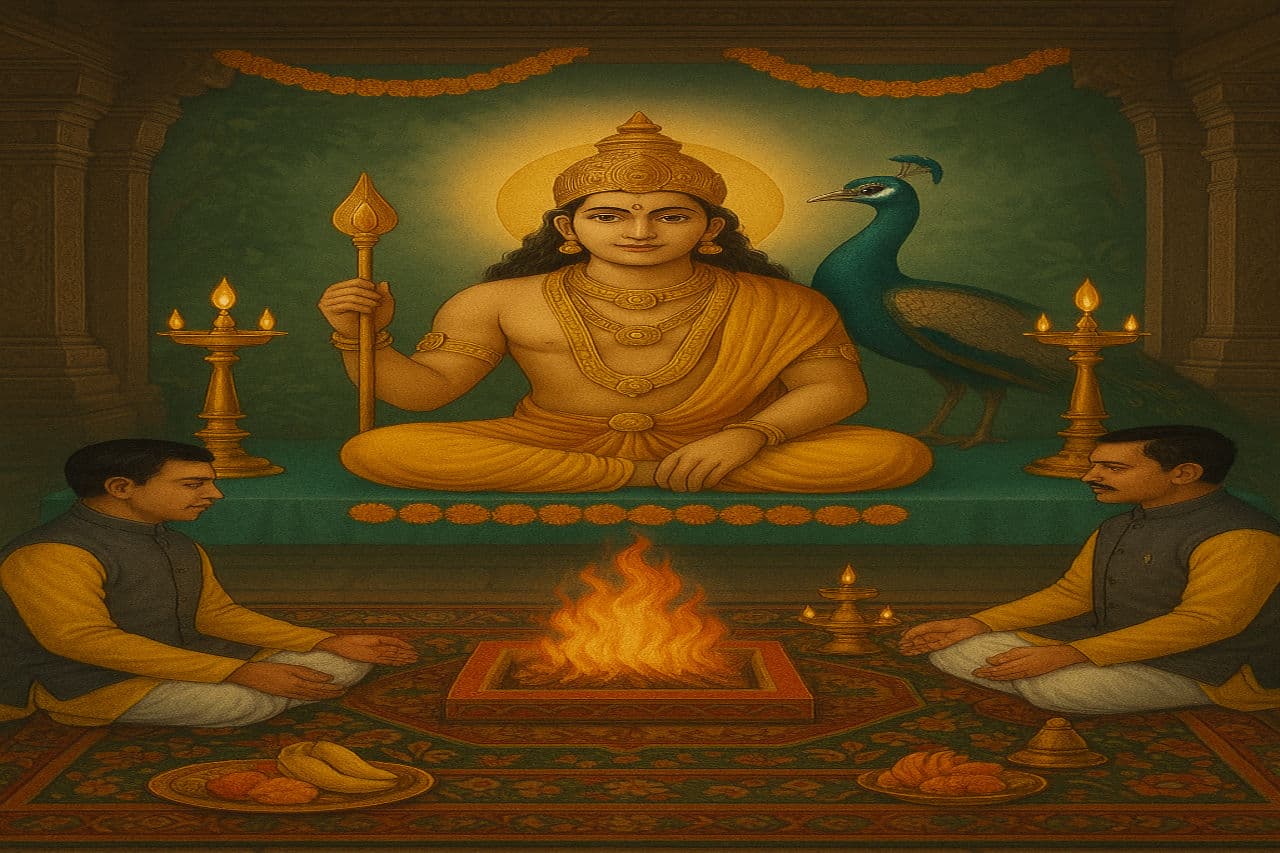
Lord Hanuman—revered as Bajrang Bali, Maruti, Anjaneya and Kesari Nandan—is worshipped by millions for his unmatched strength and devotion. Known as the 11th Rudra, the divine avatar of Lord Shiva, he is the powerful bestower of wisdom, devotion, good health, strength, and inner peace.
Hanuman is worshipped for his immense strength, agility, and unwavering courage. Honoring him is believed to invoke the blessings of the Supreme Lord, granting physical, mental power, truthfulness, self-sacrifice, humility, divine protection and deep devotion. Sri Hanuman, blessed with immortality (Chiranjeevi) by Lord Rama, continues to inspire devotees with his eternal presence and divine grace.
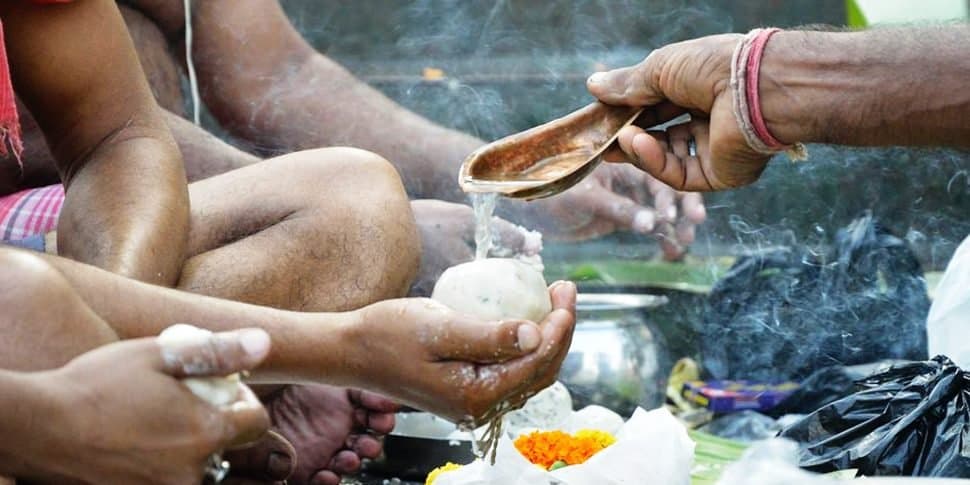
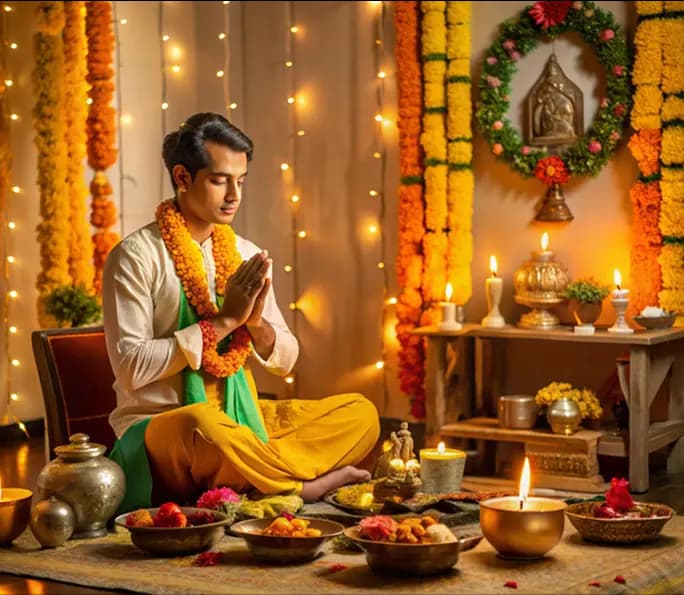
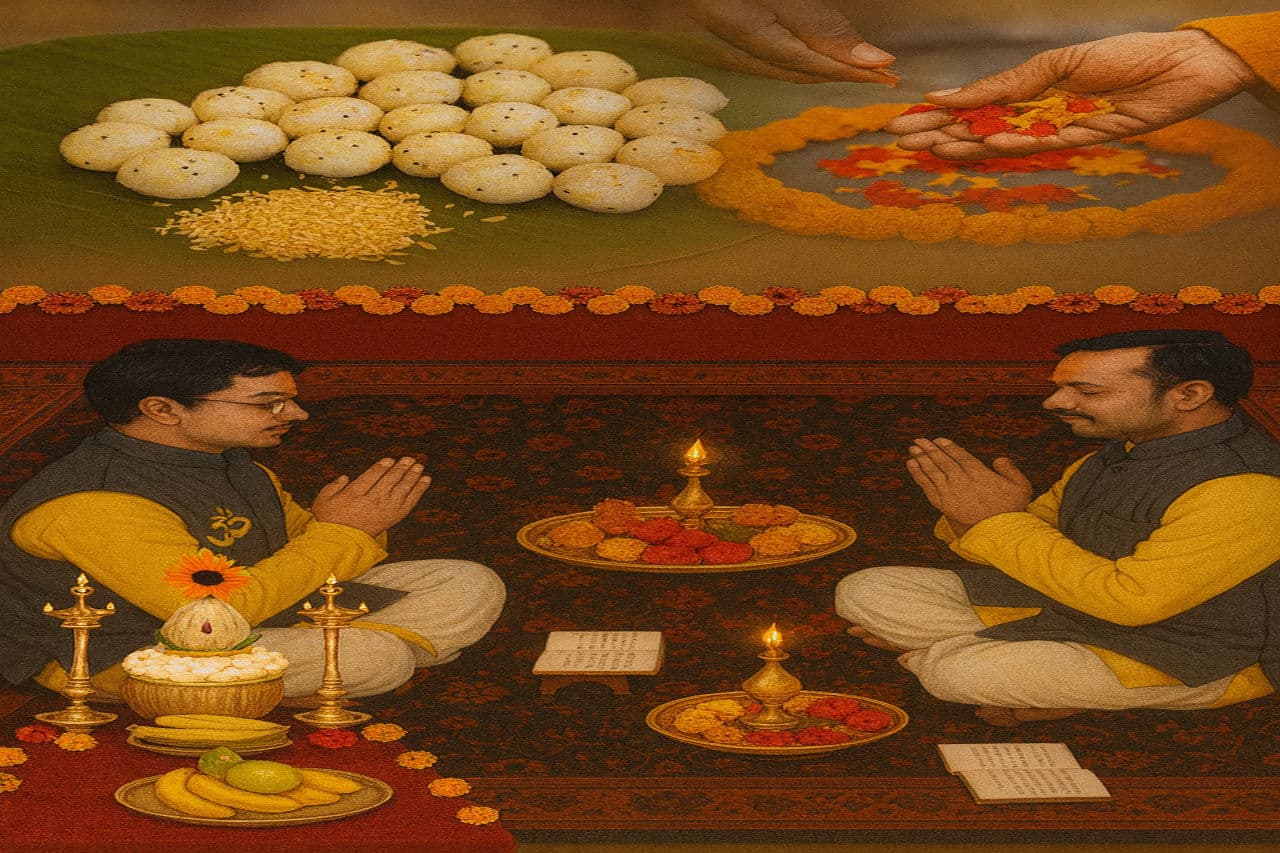
Hanuman Puja is performed to seek the divine blessings of Lord Hanuman—the embodiment of strength, protection, and unwavering devotion. Revered for his fearless spirit and ability to conquer all obstacles, he is the powerful deity who dispels fear, negativity, and harmful influences. Hanuman Jayanti holds deep cultural and spiritual importance, celebrating the birth and boundless grace of the mighty Lord Hanuman.
Hanuman Janmotsav is celebrated with deep devotion and spiritual fervor to honor the birth of Lord Hanuman, also known as Lord Anjaneya. One of the most significant festivals in Hindu culture, it is observed by millions of devotees across the world. The essence of this sacred day lies in offering heartfelt worship to Lord Hanuman and seeking his divine blessings.
Hanuman Jayanti is observed on the 15th day of Shukla Paksha in the month of Chaitra, typically a week after Rama Navami. In many regions, especially across North India, it is celebrated on Chaitra Purnima, while in some places it is observed during the month of Vaishakha. No matter the date or region—North, South, East, or West—Lord Hanuman is revered in countless Indian households, where devotees honour him with deep faith and devotion.
Hanuman is worshipped for his immense strength, agility, and unwavering courage. Honoring him is believed to invoke the blessings of the Supreme Lord, granting physical, mental power, truthfulness, self-sacrifice, humility, divine protection and deep devotion. Sri Hanuman, blessed with immortality (Chiranjeevi) by Lord Rama, continues to inspire devotees with his eternal presence and divine grace.
Hanuman Puja is performed to seek the divine blessings of Lord Hanuman—the embodiment of strength, protection, and unwavering devotion. Revered for his fearless spirit and ability to conquer all obstacles, he is the powerful deity who dispels fear, negativity, and harmful influences. Hanuman Jayanti holds deep cultural and spiritual importance, celebrating the birth and boundless grace of the mighty Lord Hanuman.
Hanuman Janmotsav is celebrated with deep devotion and spiritual fervor to honor the birth of Lord Hanuman, also known as Lord Anjaneya. One of the most significant festivals in Hindu culture, it is observed by millions of devotees across the world. The essence of this sacred day lies in offering heartfelt worship to Lord Hanuman and seeking his divine blessings.
Hanuman Jayanti is observed on the 15th day of Shukla Paksha in the month of Chaitra, typically a week after Rama Navami. In many regions, especially across North India, it is celebrated on Chaitra Purnima, while in some places it is observed during the month of Vaishakha. No matter the date or region—North, South, East, or West—Lord Hanuman is revered in countless Indian households, where devotees honour him with deep faith and devotion.