Rudraksha Ruling Deities: Which God Blesses Each Mukhi
2026-03-23
30.3 min read
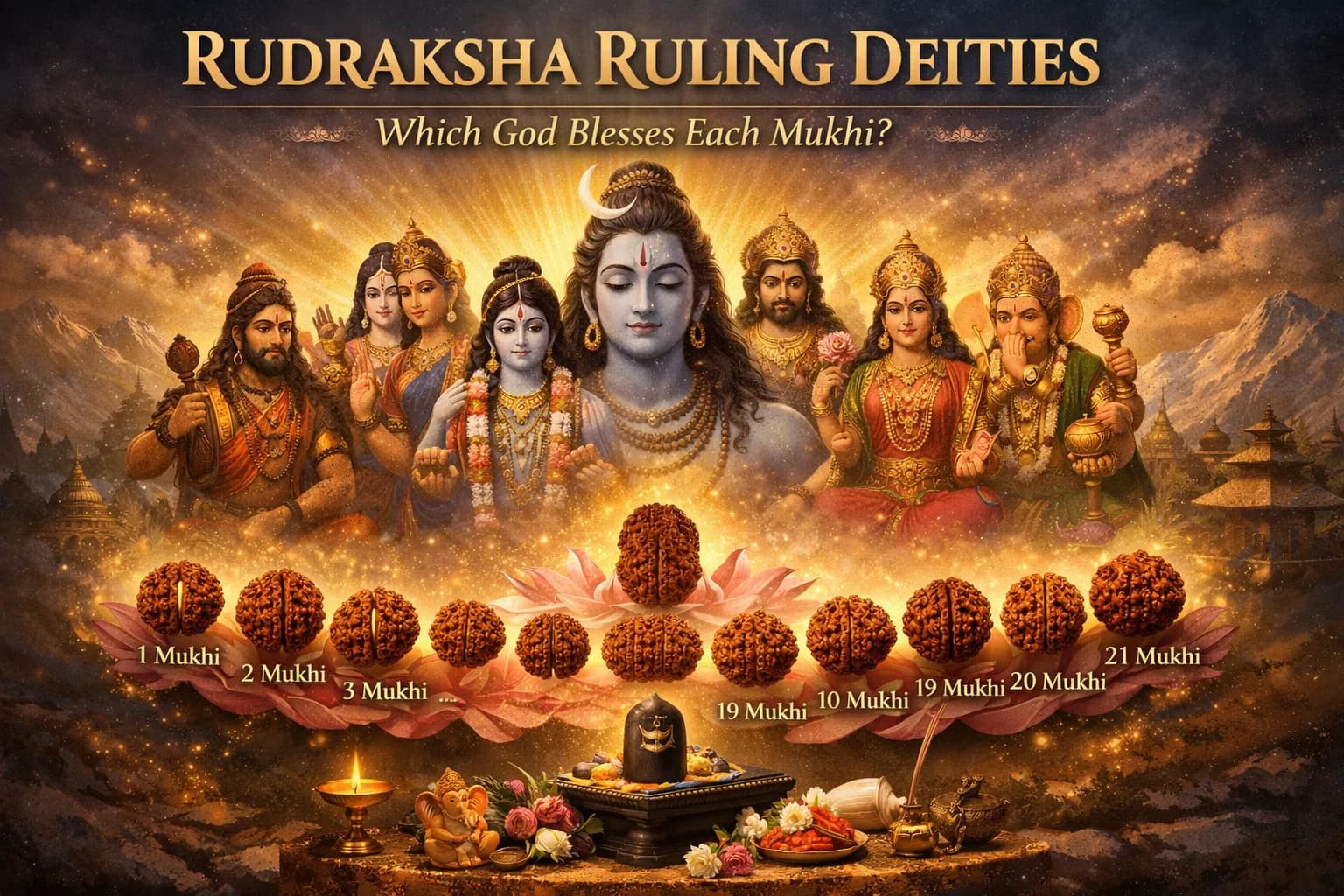
Why Every Rudraksha Has a Ruling Deity
The Rudraksha tradition is not merely a system of planetary remedies it is at its heart, a devotional system rooted in the direct relationship between the sacred bead and its presiding deity. Every Rudraksha mukhi is a specific form of divine consciousness made manifest in a physical seed, a living bridge between the wearer and a particular dimension of the divine.
The Shiva Purana, Padma Purana, and Rudraksha Jabala Upanishad all establish this principle explicitly: each mukhi arose from a specific tear of Lord Shiva, and as it fell, it carried the imprint of whichever divine form Shiva was embodying in that moment of cosmic compassion. The ruling deity is therefore not an external association assigned by tradition, it is the intrinsic divine identity of the bead itself.
Understanding the ruling deity of your Rudraksha transforms your relationship with it from passive remedy to active devotional practice, from wearing an amulet to living in the continuous blessing of a specific divine presence.
The Complete Deity Map: 1 to 21 Mukhi
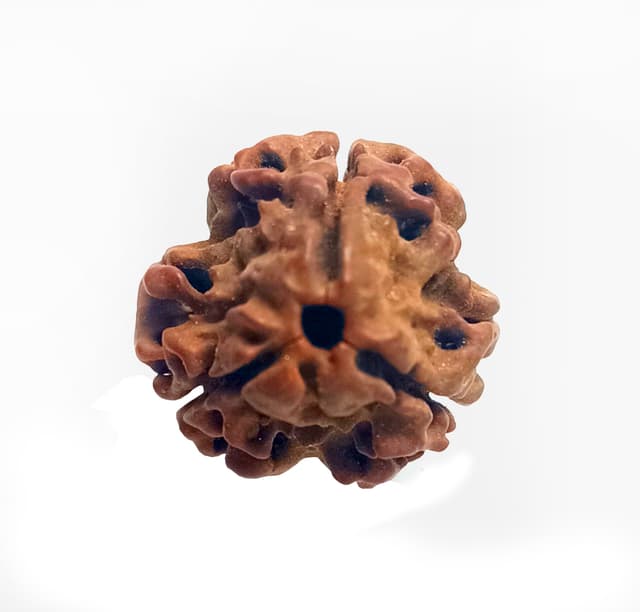
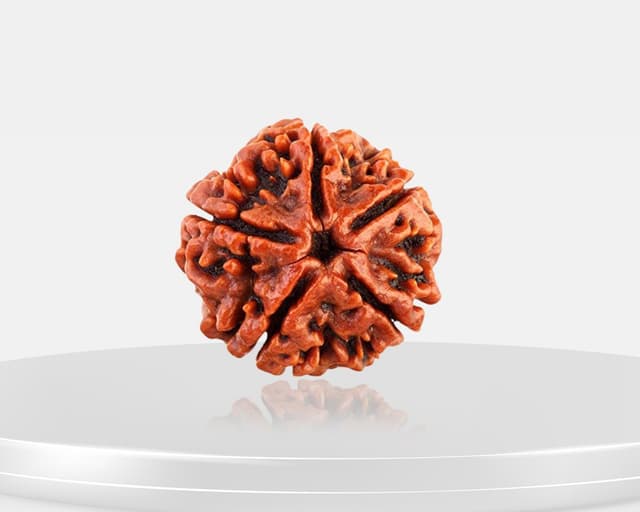
1 Mukhi: Lord Shiva (Paramshiva)
Form: Shiva in his supreme, formless, absolute aspect, pure consciousness beyond all attribute and description
Mythology: The single line of the 1 Mukhi represents the undivided unity of all existence before creation, divided consciousness into multiplicity. In this form, Shiva is not the destroyer god of the Trimurti but the supreme, absolute, self-luminous awareness that is the source and substance of all things.
Blessings bestowed:
-
Liberation from the cycle of birth and death (Moksha)
-
Supreme spiritual consciousness
-
Dissolution of ego and sense of separateness
-
Adi Lakshmi's material blessings
-
Relief from all sins of all lifetimes
Deity invocation: Shiva, in his Paramshiva aspect, does not have a particular mythological narrative he simply is. His mantra is the silence beneath all sound: "Om Namah Shivaya," the five-syllable Panchakshara mantra that represents his five cosmic functions.
Beej Mantra: Om Hreem Namah
2 Mukhi: Ardhanarishvara (Shiva-Parvati United)
Form: The half-male, half-female unified form of Shiva and Parvati, right half Shiva, left half Parvati
Mythology: When the universe was first created, beings could not reproduce because they did not understand the principle of duality-in-unity. Brahma prayed to Shiva for guidance, and Shiva appeared as Ardhanarishvara, the living demonstration that masculine and feminine, consciousness and energy, are eternally one. This teaching dissolved the illusion of irreconcilable duality and made creation possible.
Blessings bestowed:
-
Harmony and unity in all relationships
-
Healing of inner masculine-feminine imbalance
-
Emotional stability and Moon calming
-
Fertility and creative energy
-
Guru-disciple receptivity
Beej Mantra: Om Namah
3 Mukhi: Agni (The Fire God)
Form: Agni, the sacred fire, divine witness of all karmic actions, and the purifying force that burns away impurity at every level
Mythology: Agni is the oldest of the Vedic deities present at the very first Vedic fire sacrifice, witness to every sacred ceremony, and the intermediary between human beings and the gods. When oblations are poured into the sacred fire with mantras, Agni carries them directly to the intended deity. He is simultaneously the digestive fire in the human body (Jatharagni), the fire of consciousness (Chidagni), and the cosmic fire of transformation (Vishwagni).
Blessings bestowed:
-
Liberation from the karmic consequences of past actions
-
Purification of guilt, shame, and self-defeating patterns
-
Reigniting of physical vitality and motivational fire
-
Digestive health and metabolic activation
-
Freedom from depression rooted in karmic heaviness
Beej Mantra: Om Kleem Namah
4 Mukhi: Lord Brahma (The Creator)
Form: Brahma in his four-faced form, each face representing one of the four Vedas and the four directions of cosmic creation
Mythology: Brahma is the divine creator born from the lotus that emerged from Vishnu's navel, tasked with creating all life forms in the universe. He created through Vak the sacred power of divine speech. The four faces of Brahma face all four directions simultaneously, representing the omniscient quality of divine creative intelligence that sees all possibilities at once. Goddess Saraswati, the deity of learning, arts, and wisdom, is Brahma's consort and is closely invoked through the 4 Mukhi.
Blessings bestowed:
-
Enhanced intelligence, memory, and learning capacity
-
Power and clarity of speech and communication
-
Creative inspiration and artistic excellence
-
Academic success and knowledge attainment
-
Saraswati's blessings for all scholarly pursuits
Beej Mantra: Om Hreem Namah
5 Mukhi: Kalagni Rudra (Panchamukhi Shiva)
Form: Shiva in his five-faced form, Sadyojaat (earth), Vamadeva (water), Aghora (fire), Tatpurusha (air), and Ishana (space), representing Shiva's complete governance of all five elements and five cosmic functions
Mythology: Kalagni Rudra is the form of Shiva that governs time (Kala) and fire (Agni), the cosmic force that both creates and dissolves the universe through its cyclic rhythm. The five faces of Panchamukhi Shiva each embody one divine function: Sadyojaat creates, Vamadeva preserves, Aghora transforms, Tatpurusha reveals, and Ishana grants liberation. Together they form the complete circle of existence, the reason 5 Mukhi is the universal Rudraksha, applicable to all beings.
Blessings bestowed:
-
Universal well-being across all life dimensions
-
Blood pressure regulation and cardiovascular health
-
Meditation deepening and spiritual peace
-
Jupiter's wisdom, abundance, and grace
-
Complete five-element harmonization
Beej Mantra: Om Hreem Namah
6 Mukhi: Lord Kartikeya (Skanda / Murugan)
Form: Kartikeya, the six-faced warrior son of Shiva and Parvati, commander of the divine army, and the deity of spiritual victory, discipline, and righteous action
Mythology: Kartikeya was born for a specific cosmic purpose to destroy the demon Tarakasura, who could only be killed by Shiva's son. His birth was itself miraculous: Shiva's divine seed was so powerful that no single womb could contain it, and it passed through multiple cosmic wombs before six divine mothers (Kritikas) simultaneously nursed the infant, giving him six heads, one turned lovingly toward each mother. His six faces represent the six directions of perception omnidirectional awareness. He rides a peacock, the bird that eats poisonous snakes, representing the transformation of toxic mental patterns into the beauty of enlightened awareness.
Blessings bestowed:
-
Focused discipline and warrior willpower
-
Venus energy for relationships and creativity
-
Grounding of scattered energy into sustained action
-
Reproductive health and fertility
-
Overcoming addiction and compulsive behaviors
Beej Mantra: Om Hreem Hum Namah
7 Mukhi: Goddess Lakshmi (Saptamatrika)
Form: Mahalakshmi, in her seven-mother aspect, the Saptamatrika (seven divine mothers), who represent the seven dimensions of abundance
Mythology: Lakshmi emerged from the churning of the cosmic ocean (Samudra Manthan), born directly from the primordial waters of creation, seated on a lotus, radiating the light of all good fortune. She is simultaneously the consort of Vishnu and the independent sovereign of all material abundance. The seven mukhis of this bead correspond to the seven forms of her blessing: Adi Lakshmi (original abundance), Dhana Lakshmi (wealth), Dhanya Lakshmi (grain/food), Gaja Lakshmi (power), Santana Lakshmi (progeny), Veera Lakshmi (courage), and Vijaya Lakshmi (victory).
Blessings bestowed:
-
Financial prosperity and opening of wealth channels
-
Saturn's malefic effects neutralized (Sade Sati remedy)
-
All eight forms of Lakshmi's abundance are activated
-
Bone, joint, and chronic condition support
-
Liberation from poverty karma
Beej Mantra: Om Hum Namah
8 Mukhi: Lord Ganesha (Ashtavinayaka)
Form: Ganesha in his eight forms, the Ashtavinayaka, governing the eight directions and representing the eight aspects of obstacle removal and wisdom
Mythology: Ganesha's birth story is one of the most beloved in all of Hindu mythology. Parvati, wanting a devoted guard she could trust completely, fashioned a boy from the turmeric paste she used for bathing and breathed life into him, creating Ganesha as her own son. When Shiva, not knowing who the boy was, was denied entry to Parvati's chambers by this new guard, he severed the boy's head. Upon learning what he had done, an anguished Shiva replaced the head with that of the first being found facing north, an elephant. Thus, Ganesha received his elephant head and Shiva's loving restoration, making him both Parvati's devoted son and Shiva's beloved child simultaneously.
Blessings bestowed:
-
Removal of all obstacles from every dimension of life
-
Ganesha's blessing on all new beginnings
-
Ketu's malefic effects neutralized
-
Wisdom and discriminative intelligence
-
Protection of children
Beej Mantra: Om Ganeshaya Namah / Om Gam Ganapataye Namah
9 Mukhi: Goddess Navadurga (Nine Forms of Durga)
Form: Durga in her nine sacred forms, Shailaputri, Brahmacharini, Chandraghanta, Kushmanda, Skandamata, Katyayani, Kalaratri, Mahagauri, and Siddhidatri
Mythology: When the demon Mahishasura defeated all the male gods and threatened to destroy creation, none of the masculine divine forces could overcome him, for he had received a boon that no man could kill him. The gods combined their divine energies (tejas) into a single supreme feminine force, and from this concentration of all divine power, Goddess Durga emerged, riding a lion, bearing weapons gifted by every god, and embodying the complete feminine power of the universe. She destroyed Mahishasura in nine days of fierce battle. These nine days are celebrated as Navaratri. The 9 Mukhi carries all nine of her forms' combined energy.
Blessings bestowed:
-
Supreme protection from all negative energies and entities
-
Rahu's malefic effects neutralized
-
Shakti (divine feminine power) activation
-
Victory over enemies and opposition
-
Fearlessness and invincible strength
Beej Mantra: Om Hreem Hum Namah
10 Mukhi: Lord Vishnu (Krishna Avatar)
Form: Lord Vishnu, the supreme preserver of the universe, specifically in his Krishna avatar form
Mythology: Vishnu is the cosmic preserver, the divine force that maintains the balance and order of creation between Brahma's creation and Shiva's dissolution. He descends to earth in ten primary avatars (Dashavatara) whenever dharma is threatened, from the fish (Matsya) who saved the Vedas from the cosmic flood, to Krishna, who delivered the Bhagavad Gita on the battlefield of Kurukshetra. The 10 Mukhis' ten lines represent these ten avatars, making it a bead that carries Vishnu's complete protective and preserving power across all ten of his cosmic manifestations.
Blessings bestowed:
-
Comprehensive protection from all negative forces (evil eye, black magic, negative entities)
-
Pacification of all nine planets simultaneously
-
Success in legal matters and administrative processes
-
Divine peace and equanimity
-
Relief from debt and financial losses
Beej Mantra: Om Hreem Namah Namah / Om Namo Bhagavate Vasudevaya
11 Mukhi: Ekadash Rudra (Lord Hanuman)
Form: The eleven Rudras, the eleven fierce forms of Shiva, are embodied collectively in Lord Hanuman, who is considered Shiva's most perfect devotee and Ekadash Rudra's living incarnation
Mythology: The Shiva Purana describes eleven Rudras, eleven fierce aspects of Shiva's transformative power: Kapali, Pingala, Bhima, Virupaksha, Vilohita, Ajesha, Shasana, Shasta, Shambhu, Chanda, and Dhruva.
Hanuman, born of the wind god Vayu but spiritually identified as Shiva's own energy, embodies all eleven Rudra qualities simultaneously: perfect devotion, invincible strength, infinite wisdom, complete fearlessness, and absolute surrender to the divine will.
The Padma Purana specifically declares that the 11 Mukhi wearer receives the virtues of Hanuman's oratorical skills, self-confidence, physical and mental strength, and fearlessness.
Blessings bestowed:
-
Fearlessness and invincible inner strength
-
Protection from accidents and untimely death
-
Deep meditation and spiritual discipline
-
Leadership and decision-making excellence
-
Adventure, travel protection, and physical vitality
Beej Mantra: Om Hreem Hum Namah
12 Mukhi: Lord Surya (Aditya The Sun God)
Form: Surya in his twelve monthly forms, the twelve Adityas each governing one month of the solar year
Mythology: Surya, the visible, tangible face of the divine in our solar system, is described in the Vedas as the eye of the cosmic being (Vishwachakshu).
He rides a golden chariot drawn by seven horses across the sky each day, bringing light, warmth, and life force to all creation. His twelve forms represent the twelve months: Indra, Dhata, Parjanya, Tvashta, Pusha, Aryama, Bhaga, Vivasvana, Vishnu, Anshumana, Varuna, and Mitra, each aspect governing a specific quality of solar energy as it manifests through the year's cycle.
Blessings bestowed:
-
Radiant confidence and natural leadership authority
-
Cardiovascular health and physical vitality
-
Eye health and nervous system strength
-
Relief from worry, suspicion, and fear
-
Sun's astrological strengthening career authority and recognition
Beej Mantra: Om Kraum Sraum Raum Namah
13 Mukhi: Lord Indra (Kamadeva)
Form: Indra, the king of the gods and lord of the heavens, and Kamadeva, the god of love and desire
Mythology: Indra is the most celebrated deity of the Rig Veda, the thunder-wielding king of the divine realm who commands the forces of nature and bestows abundance upon the earth through rain. Kamadeva (also called Manmatha) is the god of love, the divine Cupid who awakens desire and attraction through his five flower-tipped arrows. Together, Indra and Kamadeva represent the complete fulfillment of worldly desire, material kingship, and the power of love combined. The 13 Mukhi wearer receives both Indra's royal abundance and Kamadeva's magnetic charm simultaneously.
Blessings bestowed:
-
Fulfillment of all worldly desires
-
Magnetic charm, charisma, and attraction
-
Material abundance and luxury
-
Success in all Venus-governed domains (love, beauty, creativity)
-
Alchemical knowledge and transformative power (traditional texts reference Indra's alchemical gifts)
Beej Mantra: Om Hreem Namah
14 Mukhi: Lord Hanuman (Param Shiva)
Form: Hanuman in his supreme aspect is identified directly with Param Shiva and additionally with the fiercest protective form of Shiva
Mythology: The 14 Mukhi carries a uniquely dual divine identity. Hanuman is already associated with 11 Mukhi as Ekadash Rudra appears again at 14 Mukhi in his absolute aspect: the perfect devotee who has become so completely merged with Shiva through devotion that he IS Shiva. Simultaneously, the 14 Mukhi is associated with Shiva's Deva Mani, the divine gem that Shiva wears on his forehead, representing supreme intuitive perception. The traditional texts say wearing 14 Mukhi activates the Ajna Chakra (third eye), the seat of Shiva's divine perception.
Blessings bestowed:
-
Supreme intuition and third eye activation
-
Invincible protection from all negative forces
-
Saturn's most powerful malefic effects neutralized
-
Courage, strength, and fearlessness in all challenges
-
Decision-making clarity through activated divine perception
Beej Mantra: Om Namah
15 Mukhi: Lord Pashupatinath
Form: Shiva as Pashupati, the lord and protector of all living beings (Pashu = all beings, Pati = lord/protector)
Mythology: Pashupatinath is one of Shiva's most ancient and most compassionate forms, the divine shepherd who tends all souls in the universe, guiding them from bondage (pasha) toward liberation. The Pashupatinath Temple in Kathmandu, where Rudraksha energizes all its beads, is one of the holiest sites associated with this divine form. The 15 Mukhi carries Pashupatinath's energy of universal compassion and the liberation of all bound souls.
Blessings bestowed:
-
Universal compassion and expanded spiritual awareness
-
Liberation from all forms of bondage, material and karmic
-
Healing and restoration of all life force
-
Spiritual progress on the path toward moksha
-
Connection to the ancient lineage of Pashupatinath's blessings
Beej Mantra: Om Hreem Namah
16 Mukhi: Mahamrityunjaya Shiva
Form: Shiva as the conqueror of death, Mahamrityunjaya (the great death-transcender)
Mythology: The Mahamrityunjaya Mantra, one of the most ancient and sacred mantras in the Vedic tradition, was revealed to the sage Markandeya, who was destined to die young but was saved by Shiva's direct intervention when he embraced the Shiva Linga at the moment of death. Shiva emerged from the linga and defeated Yama (the god of death) himself, declaring Markandeya immortal. The 16 Mukhi carries this same death-transcending energy, making it a powerful bead for those facing serious illness, surgery, or life-threatening challenges.
Blessings bestowed:
-
Protection from premature death and life-threatening danger
-
Healing of serious illness and surgical recovery
-
Victory over Yama's claim on the wearer
-
Liberation from the fear of death
-
Mahamrityunjaya mantra's energy is continuously active
Beej Mantra: Om Hreem Hum Namah
17 Mukhi: Goddess Katyayani (Vishwakarma)
Form: Katyayani, the sixth form of Navadurga, born as the daughter of the sage Katyayana and Vishwakarma, the divine architect of the universe
Mythology: Katyayani is the fierce warrior form of Parvati who specifically vanquished the demon Mahishasura. She is worshipped during the sixth day of Navaratri and is particularly associated with fulfilling marriage desires. The Gopis of Vrindavan worshipped Katyayani specifically to obtain Krishna as their husband. Vishwakarma, the divine craftsman who built Lanka and the celestial weapons, brings the energy of perfect creation and manifested desire.
Blessings bestowed:
-
Unexpected and sudden material gains
-
Fulfillment of deeply held desires
-
Land, property, and material wealth manifestation
-
Divine feminine power in its warrior-creator aspect
-
Katyayani's marriage blessings
Beej Mantra: Om Hreem Hum Namah
18 Mukhi: Bhumi Devi (Earth Goddess)
Form: Bhumi Devi, the goddess of Earth, also known as Prithvi Mata (Mother Earth)
Mythology: Bhumi Devi is the divine consciousness that inhabits and animates the Earth itself, the patient, nourishing, endlessly giving mother who supports all life without complaint. In the Vishnu Purana, she becomes Vishnu's wife in his Varaha (boar) avatar when he rescues her from the demon Hiranyaksha, who had dragged her to the bottom of the cosmic ocean. The 18 Mukhi carries Earth Mother's energy of stability, nourishment, and deep material abundance rooted in the earth element.
Blessings bestowed:
-
Deep physical grounding and stability
-
Connection with Earth's healing energy
-
Exceptional physical health and body vitality
-
Agricultural and land abundance
-
Root Chakra activation and foundational security
Beej Mantra: Om Hreem Shreem Vasudhaye Swaha
19 Mukhi: Lord Vishnu (Narayana)
Form: Vishnu in his supreme Narayana aspect, the primordial cosmic being from whose navel the lotus of creation arises
Mythology: Narayana is Vishnu's most transcendent name, the one who dwells in all waters (Nara) and in whom all beings reside. While the 10 Mukhi carries Vishnu's protective energy through his Krishna avatar, the 19 Mukhi carries Narayana's supreme transcendent blessing, the source-level Vishnu energy from which all his avatars and protective powers originate.
Blessings bestowed:
-
Supreme divine blessings and material prosperity
-
All desires fulfilled through Vishnu's grace
-
Comprehensive spiritual and material well-being
-
Liberation from poverty and suffering at the karmic root
-
Narayana's supreme protection at the highest level
Beej Mantra: Om Hreem Hreem Hum Hum Namah
20 Mukhi: Lord Brahma (Creator Aspect)
Form: Brahma, in his cosmic creator aspect the primordial creative intelligence from which all existence unfolds
Mythology: While the 4 Mukhi carries Brahma's four-faced earthly form associated with the four Vedas, the 20 Mukhi carries Brahma's transcendent creator aspect, the original creative consciousness that existed before the universe, that dreamed creation into being, and that sustains the very intelligence by which all things know themselves. This is the rarest and most elevated expression of Brahma's energy available through Rudraksha.
Blessings bestowed:
-
Supreme intellectual and creative capacity
-
Deep access to cosmic knowledge and universal wisdom
-
Advanced meditation states
-
Complete alignment with cosmic creative intelligence
-
Extraordinarily rare and collector-grade spiritual power
Beej Mantra: Om Hreem Namah
21 Mukhi: Lord Kuber (God of Wealth)
Form: Kuber, the divine treasurer of the gods, lord of the Yakshas, and the cosmic custodian of all material wealth and abundance
Mythology: Kuber is described in the Puranas as the wealthiest being in all of creation, his realm (Alakapuri on Mount Kailash) overflows with every form of material treasure. He is the treasurer of the gods, keeper of the nine Nidhis (divine treasures), and a devotee of Shiva who earned his extraordinary wealth through intense austerities. The 21 Mukhi is the rarest bead in the standard range and carries Kuber's direct blessing, making it the most powerful wealth manifestation instrument in the entire Rudraksha tradition.
Blessings bestowed:
-
Kuber's direct blessing of extreme material wealth
-
Access to all nine divine treasures (Nava Nidhi)
-
Complete fulfillment of all material desires
-
Extraordinary abundance in all forms
-
The most powerful wealth combination when paired with 7 Mukhi (Lakshmi)
Beej Mantra: Om Yakshaya Kuberaya Vaishravanaya Dhanadhanyadhipataye Dhanadhanyasamriddhim Me Dehi Dapaya Swaha
Complete Ruling Deity Reference Table: 1 to 21 Mukhi
|
Mukhi |
Ruling Deity |
Secondary Deity |
Planet |
Key Blessing |
|
1 |
Lord Shiva (Paramshiva) |
— |
Sun |
Liberation, pure consciousness |
|
2 |
Ardhanarishvara |
Shiva + Parvati united |
Moon |
Unity, harmony, emotional balance |
|
3 |
Agni |
— |
Mars |
Karma purification, energy, fire |
|
4 |
Lord Brahma |
Goddess Saraswati |
Mercury |
Knowledge, speech, creativity |
|
5 |
Kalagni Rudra |
Panchamukhi Shiva |
Jupiter |
Universal well-being, peace |
|
6 |
Lord Kartikeya |
Skanda / Murugan |
Venus |
Discipline, focus, willpower |
|
7 |
Goddess Lakshmi |
Saptamatrika |
Saturn |
Wealth, prosperity, abundance |
|
8 |
Lord Ganesha |
Ashtavinayaka |
Ketu |
Obstacle removal, wisdom |
|
9 |
Goddess Navadurga |
Bhairava |
Rahu |
Power, protection, Shakti |
|
10 |
Lord Vishnu |
Krishna avatar |
All planets |
Complete protection, peace |
|
11 |
Ekadash Rudra |
Lord Hanuman |
All planets |
Fearlessness, strength, meditation |
|
12 |
Lord Surya |
Twelve Adityas |
Sun |
Vitality, authority, leadership |
|
13 |
Lord Indra |
Kamadeva |
Venus + Jupiter |
Desire fulfillment, charm |
|
14 |
Lord Hanuman |
Param Shiva |
Saturn + Mars |
Intuition, supreme protection |
|
15 |
Lord Pashupatinath |
— |
Mercury |
Compassion, liberation |
|
16 |
Mahamrityunjaya Shiva |
— |
Moon |
Victory over death, healing |
|
17 |
Goddess Katyayani |
Vishwakarma |
Venus + Saturn |
Sudden gains, desire fulfillment |
|
18 |
Bhumi Devi |
Prithvi Mata |
Earth |
Grounding, physical vitality |
|
19 |
Lord Vishnu (Narayana) |
— |
All planets |
Supreme blessing, prosperity |
|
20 |
Lord Brahma |
Cosmic Creator |
All planets |
Supreme knowledge, creation |
|
21 |
Lord Kuber |
— |
All planets |
Extreme wealth, Nava Nidhi |
How Deity Energy Works Through Rudraksha
Understanding the mechanism by which a ruling deity's energy functions through a Rudraksha bead deepens both the intellectual understanding and the devotional practice:
1. The Bead as Deity's Living Instrument
A Rudraksha is not just associated with a deity; it is considered a condensed form of that deity’s energy. Like a consecrated murti in a temple, a properly identified and energized bead becomes a vessel of divine presence.
2. Mantra as the Key
The deity’s energy is activated through its beej mantra. This mantra is the vibrational form of the deity’s consciousness. Chanting while holding the bead creates resonance: the sound activates the bead, and the bead amplifies the sound, strengthening the connection.
3. Pran Pratishtha Formal Deity Invocation
This ritual formally invites the deity’s presence into the bead. Through specific mantras, offerings, and sacred touch, the bead is transformed from a natural seed into an energized spiritual instrument. Without it, the bead works passively; with it, its spiritual potential is fully awakened.
4. Daily Devotion Sustaining the Connection
Regular practice sustains and deepens the connection. Wearing the bead with awareness, chanting mantras, and performing simple rituals enhances its effect. Without devotion, benefits remain limited; with it, the connection grows stronger over time.
Choosing Your Deity: The Devotional Approach
While astrological guidance provides the most systematic approach to Rudraksha selection, the devotional tradition adds another dimension: ishta devata, the chosen deity. In the Hindu tradition, every individual has a natural affinity toward a particular deity, the divine form that resonates most deeply with their soul's nature and spiritual path.
When choosing Rudraksha from the devotional perspective:
-
Those drawn to Shiva naturally gravitate toward 1 Mukhi, 5 Mukhi, 11 Mukhi, 14 Mukhi
-
Those drawn to Vishnu/Krishna find the deepest resonance with 10 Mukhi, 19 Mukhi
-
Those drawn to Ganesha are naturally aligned with the 8 Mukhi and Ganesh Rudraksha
-
Those drawn to Devi (Goddess) resonate with 7 Mukhi (Lakshmi), 9 Mukhi (Durga), and Gauri Shankar (Parvati)
-
Those drawn to Hanuman are powerfully supported by the 11 Mukhi and 14 Mukhi
-
Those drawn to Surya (Sun) find deep alignment with 1 Mukhi and 12 Mukhi
The most powerful Rudraksha choice is one that serves both the astrological need and resonates with the wearer's devotional heart. When both dimensions align, the bead becomes the most complete possible spiritual companion.
Frequently Asked Questions
1: Can I wear a Rudraksha whose deity I do not personally worship?
Yes, the ruling deity's energy functions through the bead regardless of the wearer's personal devotional relationship with that deity. However, developing even a basic respectful acknowledgment of the bead's deity, a simple mantra, a moment of recognition, significantly deepens the bead's effectiveness. You do not need to be a devotee of Lakshmi to benefit from 7 Mukhi, but honoring her through the beej mantra creates a far deeper connection than passive wearing.
2: Do the deity stories (mythology) need to be literally believed?
No, the mythological narratives serve as poetic maps of cosmic principles. Whether you relate to Ganesha's elephant head story as literal history, symbolic teaching, or energetic blueprint, the 8 Mukhi's obstacle-removing energy functions through the bead's natural properties and your engagement with its mantra. The mythology enriches the practice by providing context, imagery, and devotional depth, but the bead's fundamental efficacy does not depend on literal belief.
3: Which is more important, the planet or the deity associated with my Rudraksha?
They are two dimensions of the same reality. The planet describes the energy's function in the material world. The deity describes the energy's consciousness, its intelligence, its personality, and its devotional dimension. For purely astrological purposes, the planetary correspondence is primary. For spiritual practice, the deity is primary. For the most complete experience, both are honored simultaneously.
4: Is the 5 Mukhi's Kalagni Rudra the same as Lord Shiva?
Yes, Kalagni Rudra is one of Shiva's many names and forms, specifically his form that governs time (Kala) and fire (Agni). All Rudra forms are ultimately Shiva the difference lies in the specific quality of Shiva's energy that is most prominent in each form. Kalagni Rudra's specific quality is the universally accessible, compassionate form of Shiva that the Shiva Purana declares available to all beings without restriction, hence the 5 Mukhi's universal applicability.
5: Why are Hanuman and Ekadash Rudra both associated with Rudraksha?
In the Vedic tradition, Hanuman is considered a direct incarnation of Shiva's Ekadash Rudra (eleventh Rudra) form, so they are ultimately the same divine consciousness. The 11 Mukhi primarily invokes Ekadash Rudra's eleven-fold fierce energy, with Hanuman as the most accessible devotional form of that energy. The 14 Mukhi invokes Hanuman specifically in his most exalted aspect as the perfect devotee who has become indistinguishable from Shiva himself.